
Mini Goldendoodles in Colorado
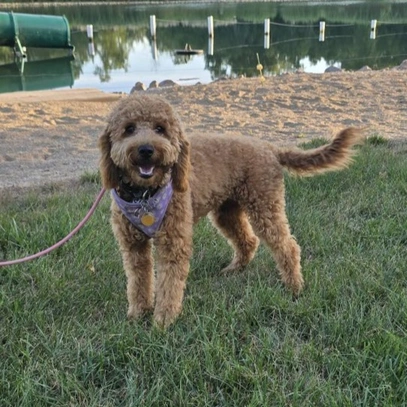
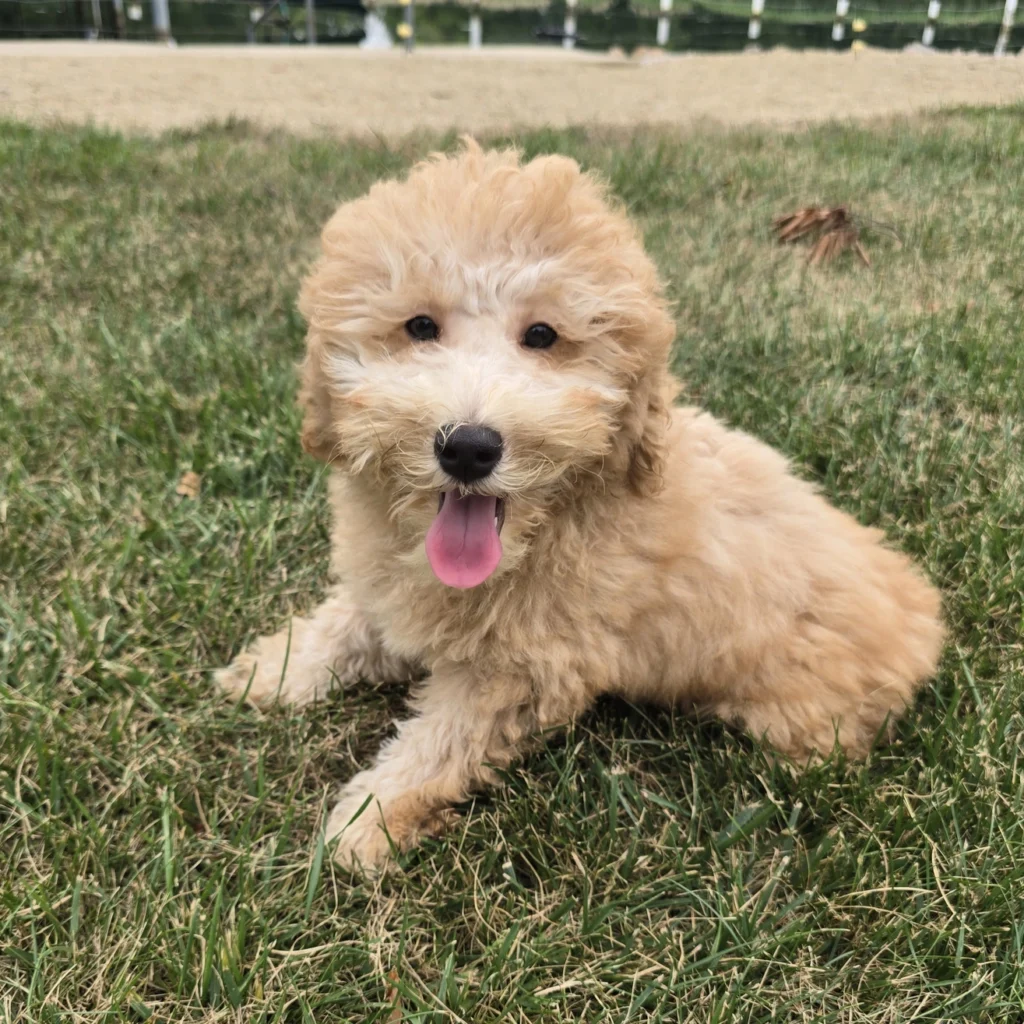
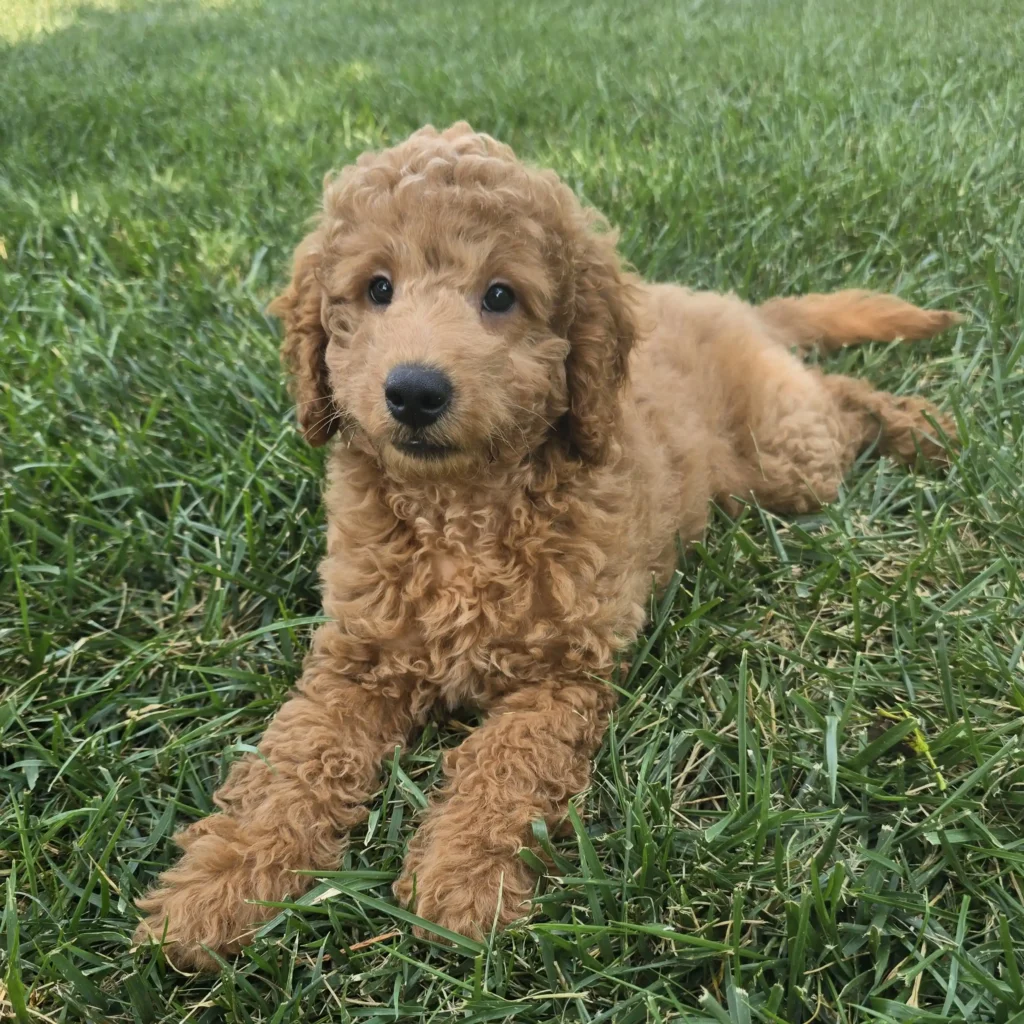
Mini Goldendoodles for Sale in Colorado
Colorado’s active, outdoor lifestyle is a natural match for Mini Goldendoodles. Whether you’re in Denver, Colorado Springs, or a mountain community, these dogs thrive on the movement and variety that Colorado living provides. Families searching for a Mini Goldendoodle in Colorado find that this crossbreed — combining Golden Retriever loyalty with Miniature Poodle intelligence — adapts exceptionally well to the state’s diverse terrain and climate.
Colorado Mini Goldendoodle Breeder Reviews
Check Out Our TikTok & Follow for the Latest Puppy Updates from the Farm! 🐾

Puppy Delivery Services
Geographic distance shouldn’t prevent you from finding the right companion. Love of Puppies coordinates delivery from our Arcola, Illinois facility and works directly with each family to arrange safe, comfortable puppy transport. We don’t outsource to unknown carriers — our team stays involved throughout the entire process.
Contact us to discuss delivery options for your location. We’ll find a solution that works for your family.
Other delivery areas:
What to Know about Mini Goldendoodle Puppies
Mini Goldendoodle Puppies in Colorado are well-suited to the state’s active households. Their adult weight of 15 to 35 pounds makes them practical companions for both city apartments in Denver and larger homes near the Rockies.
Defining traits
- Low-shedding coats that keep homes cleaner, particularly valuable in Colorado’s dry indoor environment.
- High intelligence and trainability — ideal for active owners who enjoy working with their dogs.
- Sociable, adaptable personalities that bond with families of all sizes.
- Patient and gentle nature around children and other pets.
Colorado families appreciate how these dogs keep pace with an active lifestyle without requiring excessive downtime. They match the energy of outdoor-focused households while remaining calm and content at home.
Essential daily care
- Exercise. 30–60 minutes of activity daily — Colorado’s trails and parks make this easy to achieve year-round.
- Coat maintenance. Brushing 3–5 times weekly plus professional grooming every 6–8 weeks.
- Mental engagement. Training sessions, puzzle toys, and off-leash play keep their minds active.
This breed suits Colorado’s lifestyle well: energetic enough for mountain hikes, calm enough for apartment living in the city. Families seeking a Miniature Goldendoodle for sale in Colorado find that the breed’s versatility matches the state’s varied geography.
Colorado Climate Considerations
Colorado’s climate is defined by altitude and geography more than latitude. The state averages over 300 sunny days per year, but that sunshine comes with rapid, unpredictable weather shifts — especially in the mountains. Denver summers see highs in the upper 70s to low 90s°F with low humidity, making heat more manageable than in humid states. Mountain areas stay significantly cooler throughout the year.
Summer and Altitude Considerations
Colorado’s low humidity makes summer heat more tolerable than in states like Arkansas or Nebraska. However, high altitude intensifies UV exposure and solar radiation, which affects dogs during extended outdoor time.
- Limit midday outdoor activity on days above 90°F, particularly on the eastern plains.
- At altitude above 8,000 feet, dogs can tire more quickly — monitor breathing and pace on mountain hikes.
- Afternoon thunderstorms develop rapidly in summer, especially near the mountains — plan outdoor time for mornings.
- Always carry water: Colorado’s dry air causes faster dehydration in dogs than humid climates.
Winter Conditions
Colorado winters vary dramatically by location. Denver winters are milder than many expect — average January highs around 45°F with frequent sunny days between snowfalls. Mountain communities experience far harsher conditions with heavy snowfall and temperatures well below freezing.
- Above 25°F: normal outdoor activity, no additional protection needed.
- 15°F–25°F: shorten outdoor sessions and use protective gear on mountain trails.
- Below 15°F: limit outside time to essential bathroom breaks only.
- After walks: wipe paws to remove ice-melt chemicals common on Colorado sidewalks and roads.
Skin and Coat in Dry Conditions
Colorado’s low humidity — especially indoors during winter with heating running — can cause dry skin and coat. Maintain regular brushing and consult your vet about omega supplements if you notice flaking. A humidifier in your home helps both pets and people during dry winter months.
Grooming Commitments
Colorado’s dry climate has a direct effect on coat maintenance. Unlike humid states where tangling accelerates, Colorado’s dry air can cause static and brittleness if brushing is inconsistent.
Standard grooming schedule:
- Brushing. F1 coats do well with every-other-day brushing; F1B coats benefit from daily attention. In Colorado’s dry winter months, heated indoor air strips moisture from the coat faster than in humid climates — skipping sessions leads to static and breakage rather than tangles.
- Professional grooming. Book appointments every 6–8 weeks for a full trim and coat condition check.
- Ear care. Inspect and clean ears once a week. After hiking dusty Colorado trails or playing in snow, check for debris before it causes irritation.
- Nail trimming. Once a month as a baseline. Dogs that regularly run on rocky terrain or gravel paths may need less frequent trimming — observe and adjust.
- Teeth brushing. Every day, without exception. Dental disease is the most preventable chronic health issue in dogs.
F1 dogs carry a 50/50 Poodle-Golden Retriever split and need brushing 3–4 times per week. F1B dogs are 75% Poodle with tighter curls that require 4–5 weekly sessions. Both generations follow the same professional grooming schedule.
Frequently Asked Questions
Do Mini Goldendoodles handle Colorado’s altitude well?
Most dogs adapt to moderate altitude without difficulty. If you’re moving to a high-elevation community above 8,000 feet, allow a few days for your dog to adjust before intense exercise. Watch for signs of fatigue or labored breathing on early hikes. Dogs born and raised at sea level generally acclimatize within a week.
Do they adapt to Minnesota's temperature extremes?
Yes, with appropriate precautions. Their coat insulates against cold when combined with protective clothing during extreme temperatures. In summer heat, they need shade, water, and adjusted exercise schedules. Their moderate size helps them regulate body temperature more effectively than larger breeds.
How does Colorado’s dry climate affect their coat?
Colorado’s low humidity can dry out both skin and coat. Regular brushing, a moisture-balanced diet, and omega-3 supplements if needed help maintain coat health. This is the opposite challenge from humid states: here, your focus is on preventing dryness rather than managing tangles caused by moisture.
What about Colorado’s rapid weather changes?
Weather in Colorado can shift from warm sunshine to a snowstorm within hours, especially near the mountains. Always check forecasts before long outdoor excursions. Having indoor exercise alternatives ensures your dog stays active when unexpected weather disrupts outdoor plans.
What’s their adult size?
Mature dogs weigh 15–35 pounds and stand 13–20 inches tall. Seeing both parent dogs gives a reliable estimate of where your puppy will land within that range.