
Mini Goldendoodles in West Virginia
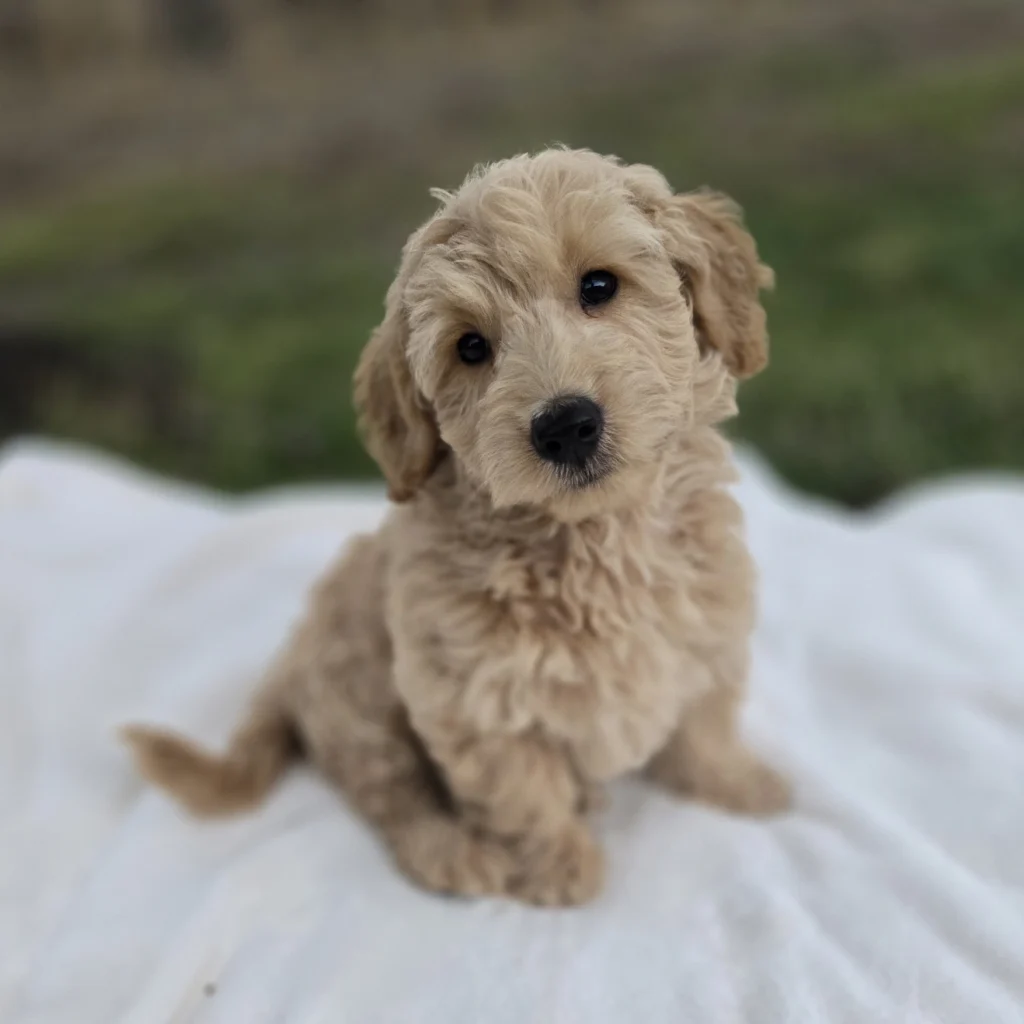
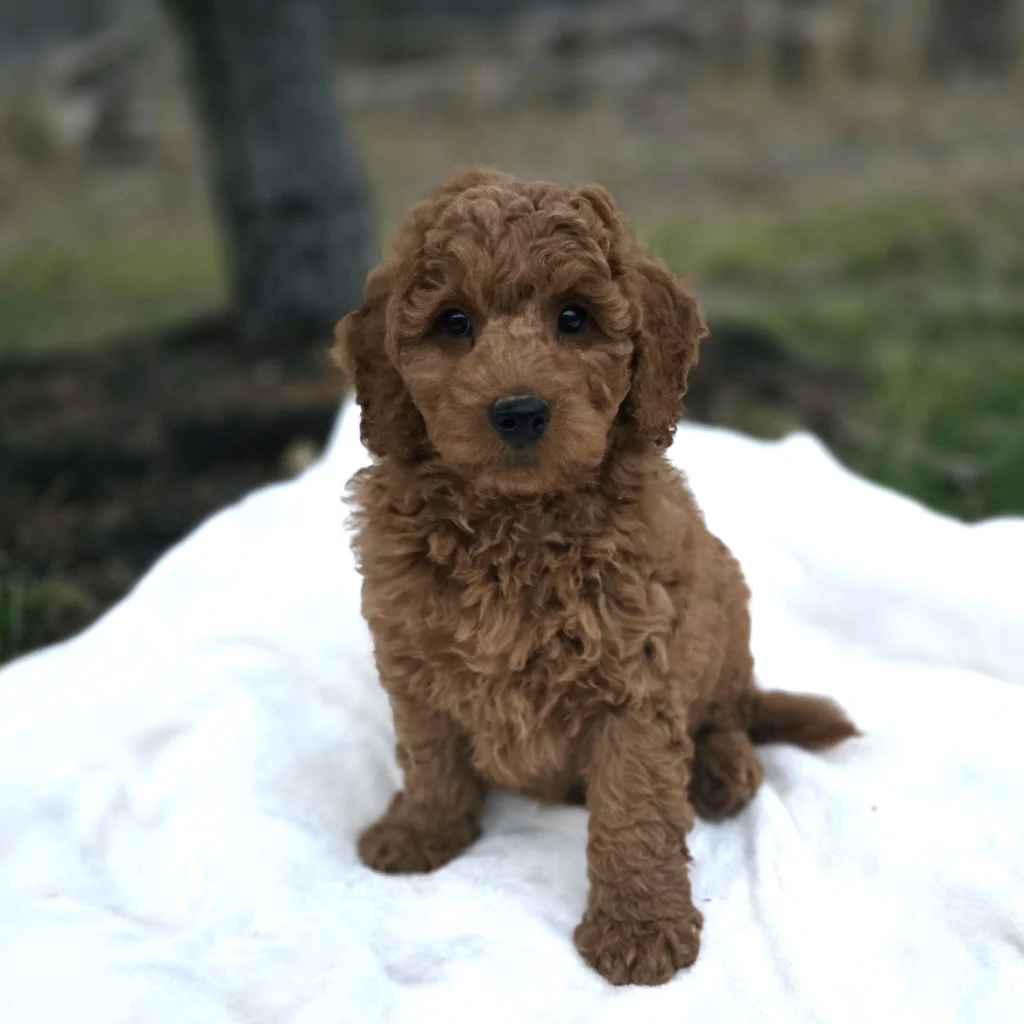
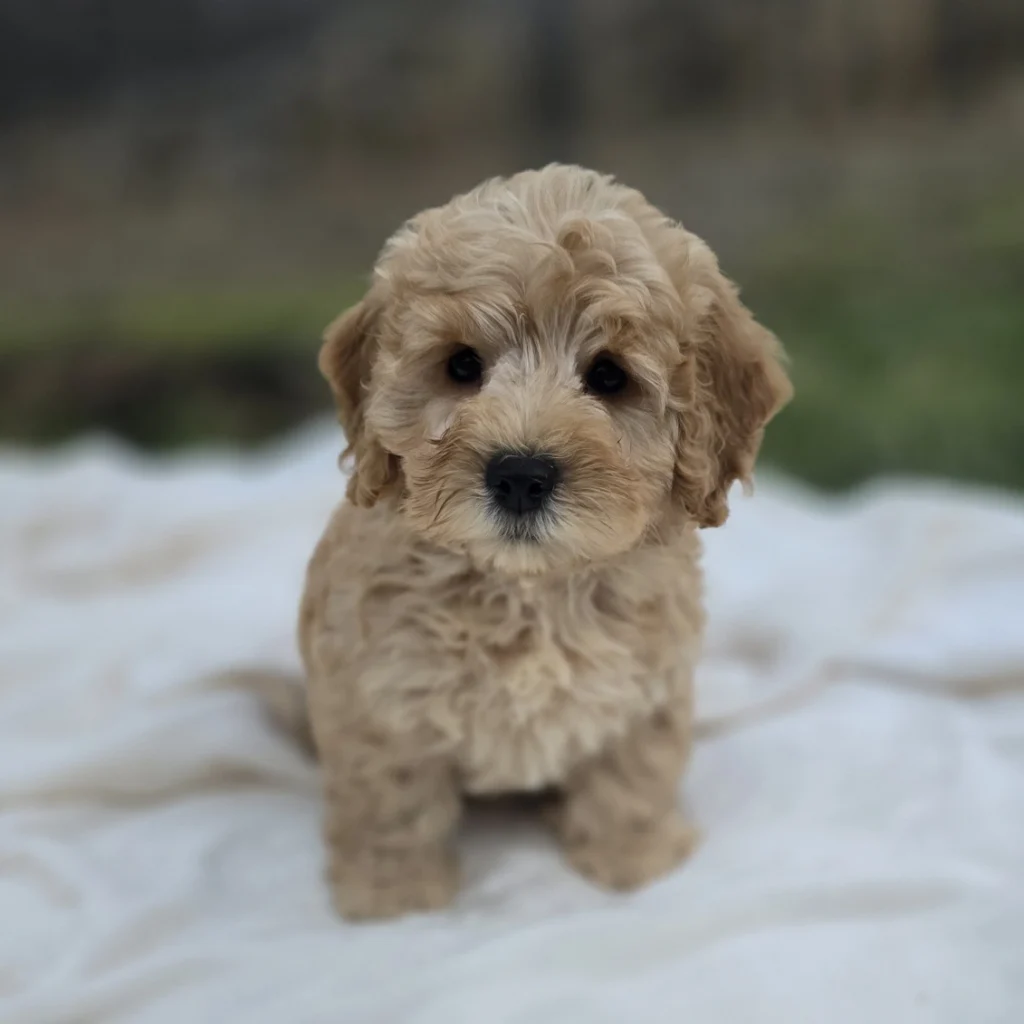
Mini Goldendoodles for Sale in West Virginia
West Virginia’s forested valleys, mountain communities, and quiet rural towns create an ideal environment for Mini Goldendoodles. Families in Charleston, Morgantown, Huntington, and throughout the Mountain State are discovering that this crossbreed — bred from Golden Retriever warmth and Miniature Poodle intelligence — fits naturally into Appalachian family life. If you’re looking for a Mini Goldendoodle in West Virginia, here’s everything you need to know.
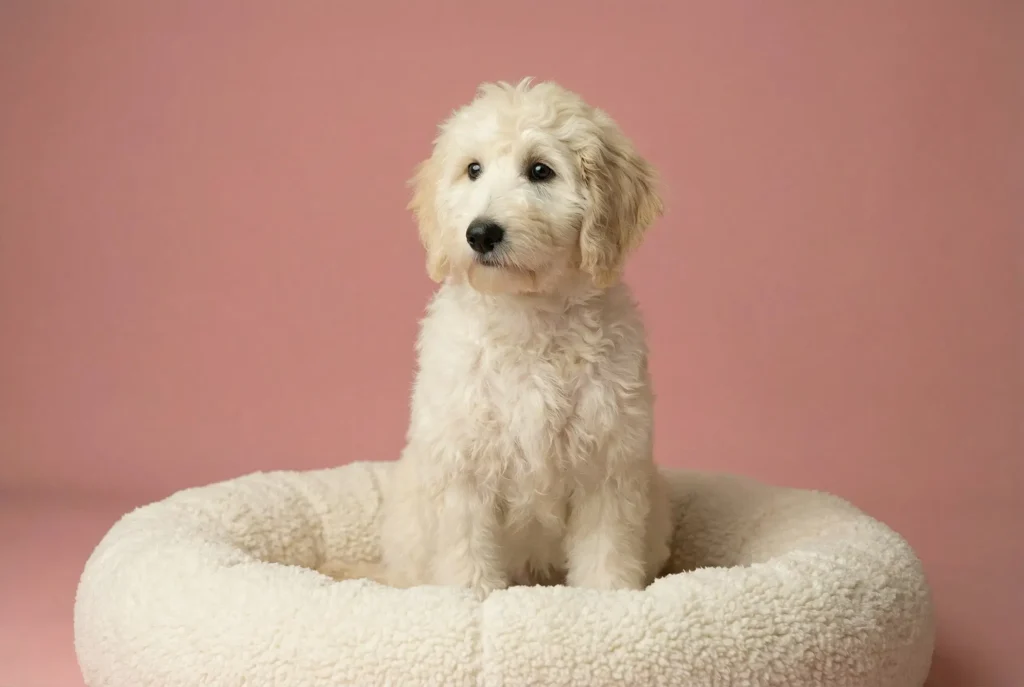
West Virginia Mini Goldendoodle Breeder Reviews
Check Out Our TikTok & Follow for the Latest Puppy Updates from the Farm! 🐾

Getting Your Puppy to West Virginia
Love of Puppies operates from Arcola, Illinois, and coordinates safe delivery for West Virginia families across the state.
- Midpoint arrangements. Families in western West Virginia near the Ohio border can often arrange meeting points that divide the driving distance.
- Eastern delivery options. For families in the Eastern Panhandle or near the Virginia border, we coordinate transport options suited to your location.
- Hands-on involvement. Our team manages the delivery process directly and does not transfer puppies to unknown third-party carriers.
- Flexible scheduling. We work around your availability and location, whether you’re near a major city or in a more remote county.
West Virginia’s geography includes some remote areas where logistics require extra planning. We account for that from the start.
Other locations:
The Breed at a Glance
Mini Goldendoodles in West Virginia range from 15 to 35 pounds at full growth — a practical size for the Mountain State’s mix of smaller town homes, rural farmhouses, and Appalachian cabins. They fit wherever the family fits.
Why West Virginia families choose this breed:
- Low-shedding coats that hold up well through West Virginia’s wet, humid seasons.
- Deep loyalty — these dogs form lasting bonds and stay close to their people.
- Calm enough for quiet rural households, engaged enough for active outdoor families.
- Reliably good with children of all ages and other animals.
The Appalachian pace of life suits this breed well. Mini Goldendoodles don’t need constant stimulation — they settle into a household rhythm and thrive on regular time with their family.
What ownership requires each day:
- Movement. At minimum 30–60 minutes of outdoor activity. West Virginia’s forested trails and river paths make this easy to build into a daily routine.
- Brushing. Three to five times per week, every week — humidity means tangles form faster here than in drier states.
- Brain work. Short training sessions, scent games, or puzzle feeders satisfy the Poodle side of their genetics.
Both working families and those with a slower daily pace find this breed manageable. The key is consistency — not intensity.
Seasonal Conditions in the Mountain State
West Virginia holds the highest average elevation east of the Mississippi River. That matters for your Mini Goldendoodle because what’s a comfortable July afternoon in Charleston can be a genuinely different experience for a dog in Tucker County or Elkins. Plan your puppy’s daily routine around your actual location, not a statewide average.
Valley Summers: Heat Hits Harder than the Thermometer Shows
In Charleston, Huntington, and Parkersburg, July sits in the mid-to-upper 80s°F — but the humidity presses down hard, and dogs feel it more acutely than humans do. Mini Goldendoodles cool themselves by panting, and humid air slows that process. A dog that seems fine at the start of a walk can show stress quickly in saturated summer air.
- Move walks to before 9 AM or after 7 PM from June through August — midday outings in valley heat risk overheating even on a moderate-looking day.
- Carry water every time, even on short trips. Humid heat dehydrates dogs faster than dry heat because panting becomes less efficient.
- Watch for drooling, labored breathing, or bright red gums — these are signs of heat stress that require immediate cooling, not a slower pace.
Mountain Winters: Your Elevation Sets the Rules
A Mini Goldendoodle’s double-layered coat handles cold well, but West Virginia’s mountain winters can push well beyond what any coat manages comfortably.
- Above 25°F: normal outdoor activity. Your puppy will enjoy the cold and move freely without needing any extra gear.
- 15°F to 25°F: use a dog coat and cap walks at 20 minutes. Paws start to lose sensation faster than the body does.
- Below 15°F: bathroom trips only, kept short. High-elevation households should apply this threshold conservatively — wind makes it colder than the number suggests.
- After every winter walk on treated roads or sidewalks, wipe your dog’s paws. West Virginia ice storms bring heavy chemical de-icing that causes cracking and irritation with repeated exposure.
Rain All Year: Build Indoor Habits Early
West Virginia gets 40-55 inches of rain annually with no dry season to speak of. Mountain areas get considerably more. This means your puppy needs to learn indoor exercise from day one — not as a substitute, but as a regular part of life. Fetch down a hallway, structured training sessions, and tug games keep a Mini Goldendoodle’s mind and body occupied on the many days when outdoor time is cut short by rain.
Coat Care in a Humid Climate
Humidity is West Virginia’s defining grooming factor. In the Ohio River Valley and low-elevation towns, summer air holds enough moisture to accelerate tangling noticeably between brushing sessions. Valley dogs need more frequent attention than the same breed would in a drier state.
Weekly maintenance breakdown:
- Brushing frequency. F1 dogs (50% Poodle) need 3–4 sessions per week. F1B dogs (75% Poodle) need 4–5 — their tighter curls catch moisture and tangle faster in humid conditions. After outdoor activity in rain or morning dew, towel-dry the coat before brushing.
- Trim schedule. Book professional grooming every 6–8 weeks. Skipping appointments in humid months leads to mats that require shaving rather than brushing out.
- Ears. Inspect and clean weekly without exception. Humid air creates conditions where ear infections develop quickly — this is one of the most common vet visits for dogs in West Virginia.
- Nails. Trim monthly. Dogs that walk frequently on hard surfaces may need less, but check regularly.
- Teeth. Brush daily. Dental disease affects the majority of dogs by age three when brushing is inconsistent.
Grooming demands stay constant across the dog’s entire lifespan of 12–15 years. Families who brush consistently between appointments avoid the matting problems that make professional sessions more difficult and costly.
Frequently Asked Questions
How do I keep the coat healthy through humid summers?
Brush more frequently from June through August — every day for F1B dogs, every other day minimum for F1. After any outdoor activity in rain, sprinklers, or morning dew, towel-dry the coat before it air-dries. Damp fur mats significantly faster than dry fur. A leave-in conditioning spray formulated for dogs helps maintain coat integrity through high-humidity months.
My area gets severe winters. What’s the threshold for keeping the dog inside?
Below 15°F, outdoor time should be limited to bathroom breaks only — five minutes or less. Between 15°F and 25°F, a dog coat extends comfortable outdoor time to about 15–20 minutes. Above 25°F their coat handles normal activity without assistance. In high-elevation communities that regularly see sub-zero temperatures, err on the side of caution and reduce outdoor time earlier in the temperature range.
Is this breed practical for rural Appalachian properties?
Very much so. Mini Goldendoodles adjust to rural life easily and enjoy the space that farm or mountain properties provide. Their size is manageable without being fragile. They bond closely with their household and are equally content in a Preston County farmhouse as in a Morgantown neighborhood. The main adjustment for rural owners is ensuring fence security, as the breed’s curiosity can lead to roaming.
F1 or F1B — which is better for someone with allergies?
F1B dogs carry 75% Poodle genetics and produce considerably less dander than F1 dogs, making them the practical choice for allergy-sensitive households. That said, no dog eliminates allergic reactions entirely — individual sensitivity varies. Visit and spend time with a puppy from the litter before committing.