
Available Puppies in Wisconsin
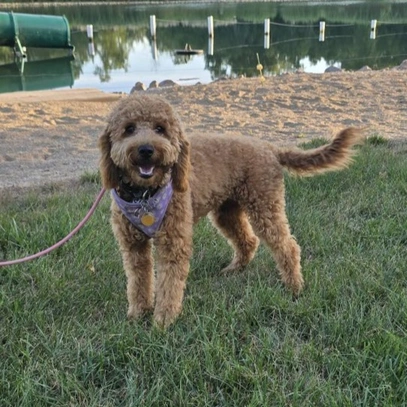
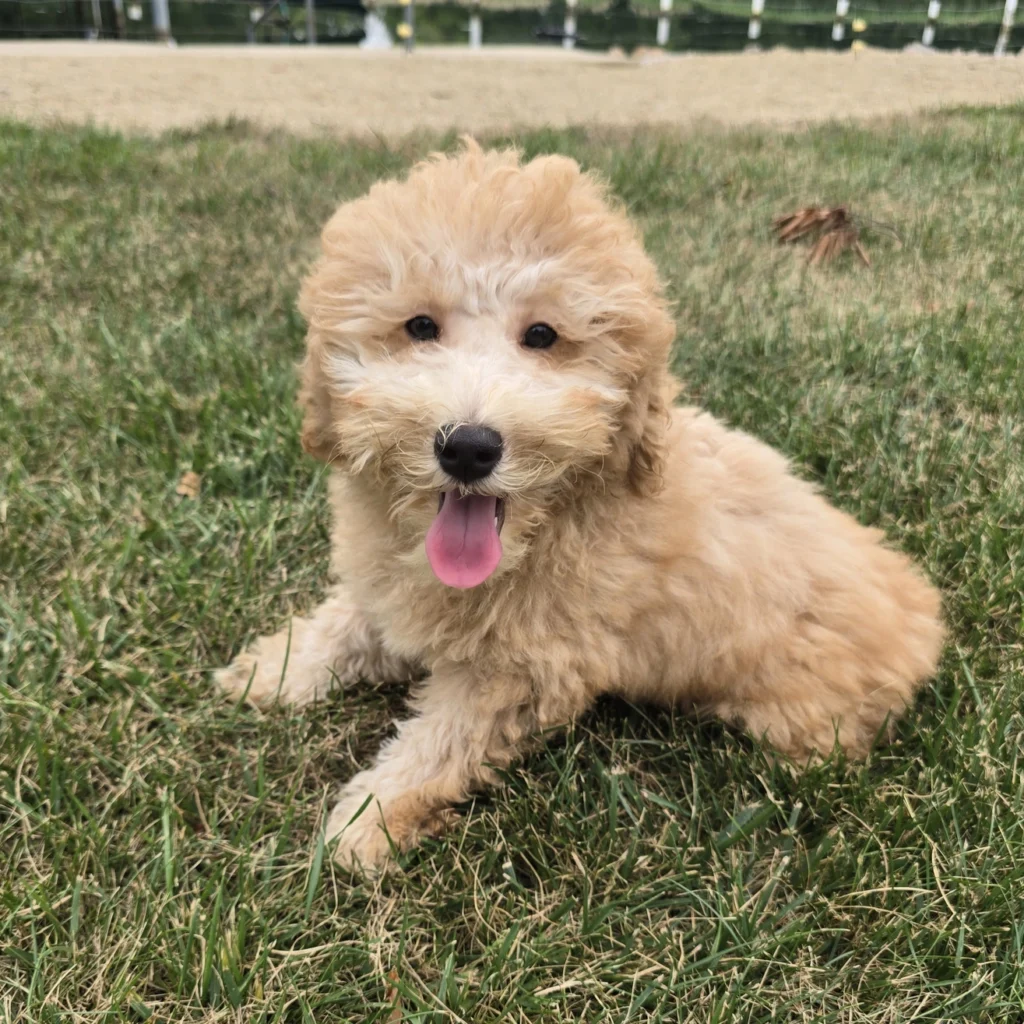
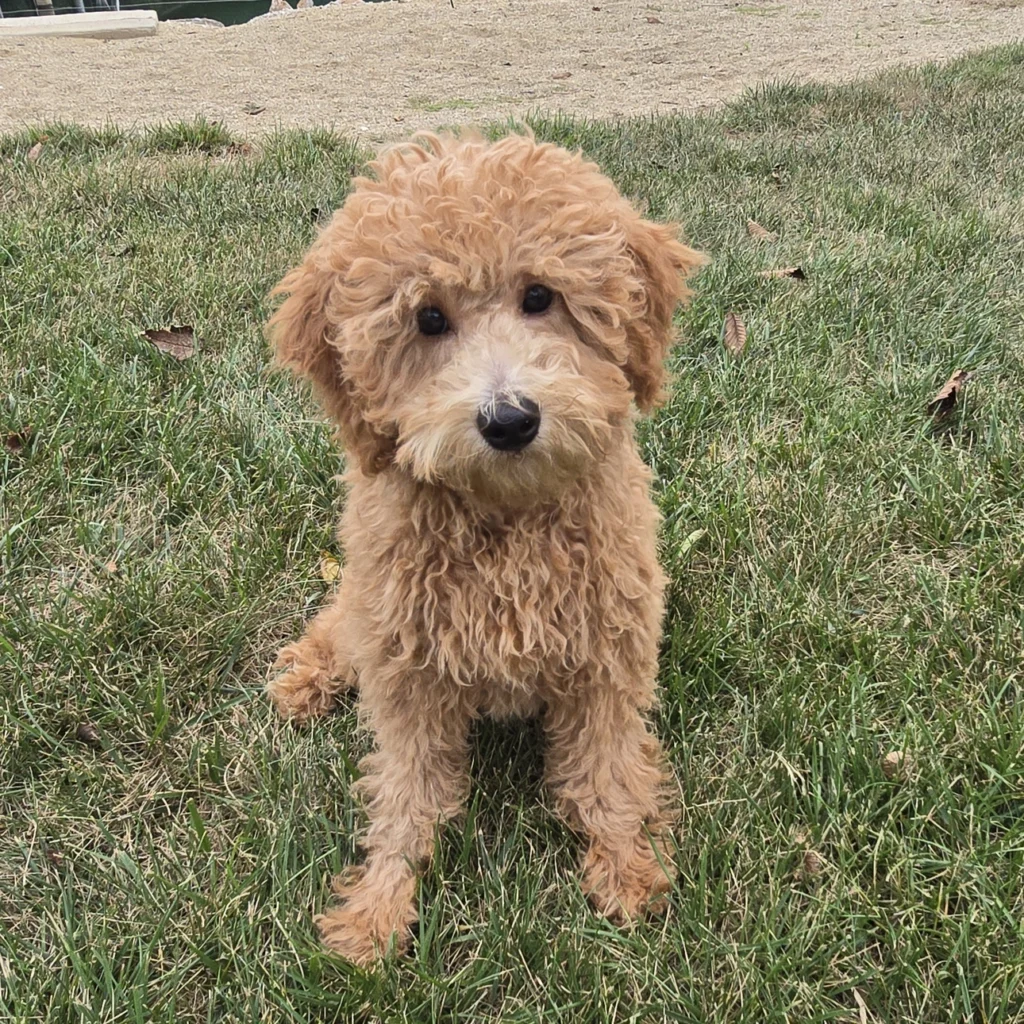
Mini Goldendoodles for Sale in Wisconsin
Love of Puppies has operated for 9+ years, prioritizing puppy development and family matching. Based in Sullivan, Illinois, we work with families across Wisconsin.
Each puppy includes:
- Comprehensive guarantee covering genetic conditions.
- Behavioral assessment matching individual puppy characteristics to family dynamics.
We observe each puppy’s activity patterns and social responses before pairing them with families. Energetic puppies suit active owners; reserved puppies fit calmer homes. This approach minimizes compatibility issues that lead to rehoming.
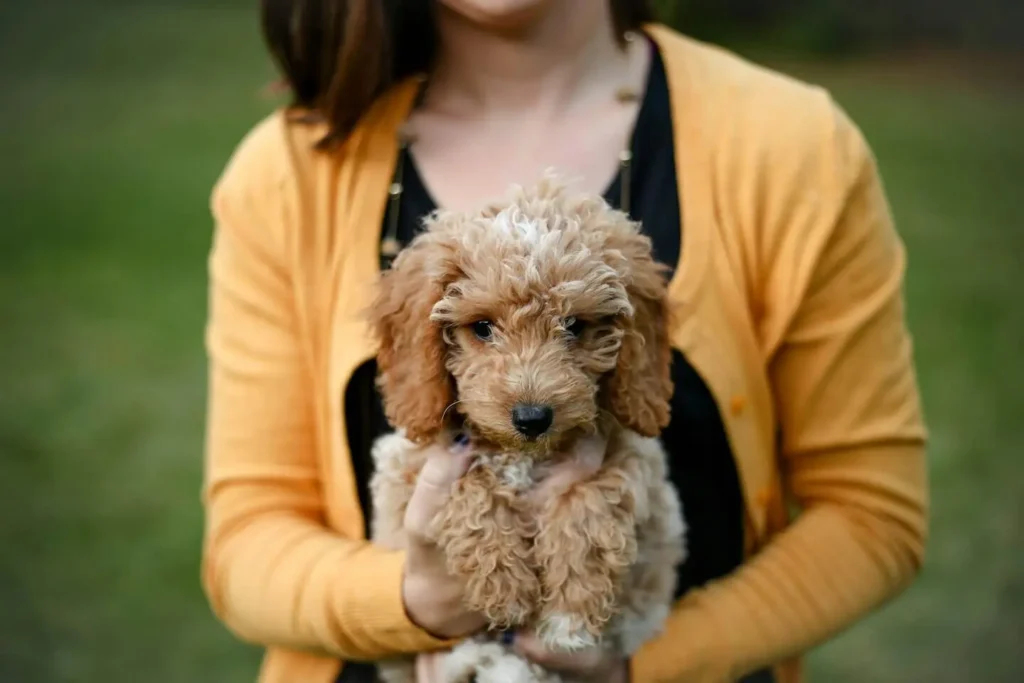
Wisconsin's Top Mini Goldendoodle Breeder Reviews
Check Out Our TikTok & Follow for the Latest Puppy Updates from the Farm! 🐾
Getting Your Puppy to Wisconsin
Mini Goldendoodle puppies in Wisconsin reach families through two transportation options. For buyers within a 2–3 hour radius of our location, we coordinate meeting locations that split the distance. For families outside reasonable driving range, we bring puppies directly to regional airports.
We complete all puppy transport ourselves without outsourcing to pet delivery companies. This maintains our oversight of travel conditions and enables us to answer care questions when you receive your puppy.
Mini Goldendoodle Daily Care Needs
Mini Goldendoodles weigh 15–35 pounds, making them physically suitable for various housing types — apartments, townhomes, and houses. Their Golden Retriever and Miniature Poodle ancestry produces dogs with strong learning ability and responsiveness to training.
Their coats release minimal hair compared to breeds with traditional shedding patterns, which decreases airborne allergens in households sensitive to dander. This characteristic stems from Poodle genetics that contribute non-shedding coat properties.
Mini Goldendoodle puppies in Wisconsin develop proper behavior when given consistent routines.
Required daily activities:
- Physical activity: 30–60 minutes—inadequate exercise results in furniture damage and nuisance barking.
- Coat care: brushing 3–4 times per week stops tangles from forming; grooming appointments every 6–8 weeks keep coat length manageable and skin healthy.
- Obedience work: 10–15 minute training periods reinforce commands and household rules.
- Environmental exposure: introducing puppies to different settings, people, and other animals before 16 weeks builds confidence and reduces fearful reactions later.
Both parent breeds have working dog backgrounds. When physical and mental needs go unmet, problematic behaviors emerge. The care schedule is consistent and fits most family routines.
Understanding F1B Mini Goldendoodles
The F1B Mini Goldendoodle comes from crossing an F1 Mini Goldendoodle (equal parts Golden Retriever and Poodle) with a purebred Poodle. The result: 75% Poodle genetics, 25% Golden Retriever.
Key characteristics of F1B puppies:
- Minimal hair release: Greater Poodle influence creates tighter curls that contain shed hair within the coat rather than dispersing it.
- Higher grooming frequency: More pronounced curl patterns tangle faster, needing brushing 4–5 times weekly compared to 3–4 times for F1.
- Improved allergy compatibility: Less dander production benefits households with moderate sensitivities.
- Coat consistency: F1B breeding produces more uniform curl patterns across litters.
For households where allergies influence the decision, F1B genetics offer measurable benefits. For those with limited grooming availability, F1 generation demands less brush time.
Choosing Mini Goldendoodle Puppies for Sale in Wisconsin
When evaluating Mini Goldendoodle puppies for sale in Wisconsin, weigh these elements:
- Generational differences: F1 brings moderate shedding with simpler grooming; F1B delivers near-zero shedding but needs more frequent brushing.
- Individual temperament: We assess each puppy’s drive level — match your selection to your actual daily activity, not breed stereotypes.
- Adult size range: Viewing parent dogs lets us project your puppy’s mature weight within 5–10 pounds.
- Coat variation: Curl intensity differs even among littermates — we can identify puppies showing looser waves versus tight curls.
We recommend discussing your household specifics rather than choosing based on photos or general breed descriptions alone.
Other delivery areas:
Frequently Asked Questions
What temperature becomes dangerous for Mini Goldendoodles during Wisconsin winters?
At 15°F and below, keep outdoor exposure under 15 minutes unless the dog wears insulated clothing. When temperatures hit 0°F or lower, limit outside time strictly to bathroom needs, even with protective gear.
How does grooming commitment differ between F1 and F1B generations?
F1B coats need brushing 4–5 days per week versus F1’s 3–4 days due to increased curl. Both generations require professional grooming every 6–8 weeks.
Is excessive barking typical for this breed?
Chronic barking stems from unmet exercise needs or lack of mental engagement, not breed traits. When given sufficient daily stimulation, they vocalize appropriately (doorbell alerts, unusual sounds) without constant nuisance noise.
Will apartment living work without yard access?
Yes, provided you commit to 30–60 minutes of daily outdoor exercise. Yards don’t substitute for walks — dogs require environmental variety and directed activity that yards can’t supply independently.