
Table of Contents:
- What are F1B Mini Goldendoodles
- F1 vs F1B Goldendoodle Differences
- F1B Mini Goldendoodle Size and Physical Characteristics
- Hypoallergenic Properties and Shedding Levels
- Temperament and Personality Traits
- Health Considerations and Life Expectancy
- Exercise, Training and Daily Care Requirements
- Where to Find Your F1B Mini Goldendoodle
- Frequently Asked Questions
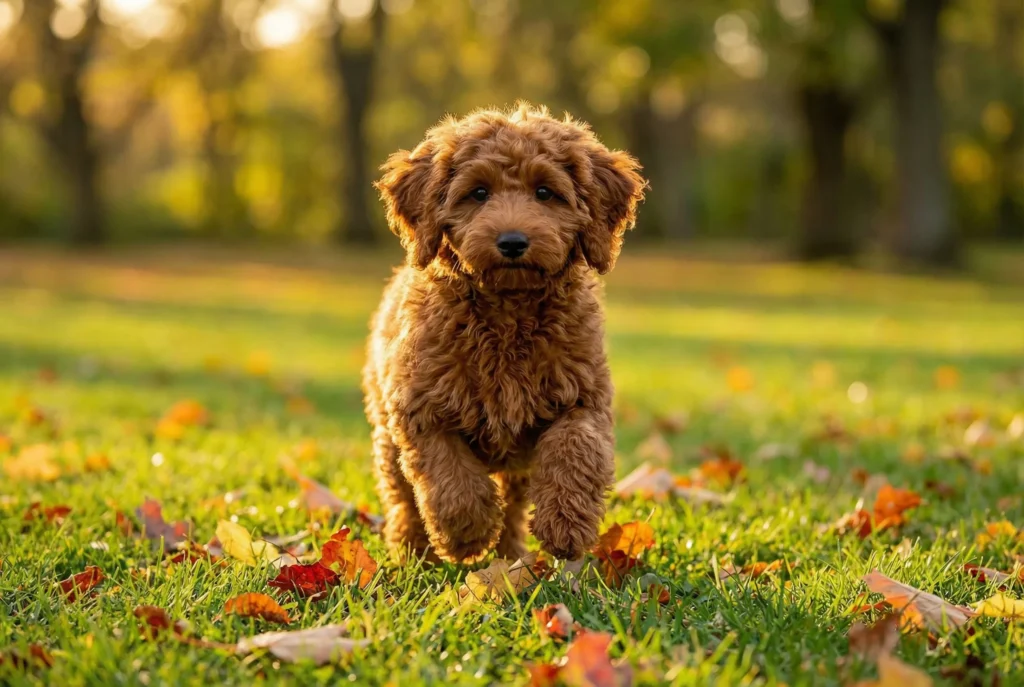
An F1B Mini Goldendoodle results from breeding an F1 Mini Goldendoodle (50% Golden Retriever, 50% Poodle) back to a purebred Miniature Poodle, creating a dog that’s 75% Poodle and 25% Golden Retriever. This specific generation produces more consistent coat characteristics, enhanced hypoallergenic properties, and predictable sizing compared to first-generation crosses. F1B Minis typically weigh between 15-35 pounds at maturity, combining the friendly temperament of Golden Retrievers with the intelligence and low-shedding coat of Poodles.
What are F1B Mini Goldendoodles
The F1B designation indicates a first-generation backcross, meaning an F1 Goldendoodle parent bred back to a purebred Poodle. In breeding terminology, F1 represents the first filial generation (direct cross between two purebred parents), while the “B” stands for backcross — breeding back to one of the original parent breeds. This intentional breeding strategy increases Poodle genetics to 75% while maintaining 25% Golden Retriever traits.
The genetic composition provides specific advantages for certain households. The higher Poodle percentage translates to curlier, denser coats that shed minimally, improved hypoallergenic qualities, and more consistent sizing within litters. F1B puppies show significantly less variation in coat type compared to F1 litters, where coat unpredictability remains higher.
F1 vs F1B Goldendoodle Differences
The primary difference between F1 and F1B Goldendoodles lies in genetic composition, coat predictability, and hypoallergenic reliability. F1 results from breeding a purebred Golden Retriever with a purebred Poodle, creating a 50-50 genetic split. F1B involves breeding an F1 back to a Poodle, shifting genetics to 75% Poodle and 25% Golden Retriever.
Coat characteristics diverge most noticeably between generations. F1 displays high coat variability — within a single litter, some puppies may have straighter, shedding coats similar to Golden Retrievers, while others develop wavy, low-shedding coats. F1B dogs show dramatically increased coat consistency, with nearly all puppies developing curly or wavy, minimal-shedding coats.
Hypoallergenic properties differ between generations. While no dog is 100% hypoallergenic (allergies trigger from dander, not hair), F1B produce less dander and shed less hair than F1 counterparts. The tighter curls trap dander against the skin rather than releasing it into the air, reducing allergic reactions in many households.
Grooming requirements increase with F1B generation. The denser, curlier coats that provide hypoallergenic benefits also mat more easily without regular maintenance. F1B Mini Goldendoodles typically require professional grooming every 6-8 weeks and daily brushing to prevent tangles.
F1B Mini Goldendoodle Size and Physical Characteristics
F1B Mini Goldendoodles typically weigh between 15-35 pounds and stand 13-20 inches tall at the shoulder when fully grown. Size falls into the “mini” classification specifically because breeders use Miniature Poodles in the breeding program. Individual size depends primarily on the specific parents’ sizes, with some maturing closer to 15-20 pounds while others reach 30-35 pounds.
Physical build combines both parent breeds’ characteristics. Dogs typically display sturdy, athletic bodies with proportionate legs and well-balanced frames. Their heads show Poodle influence with refined features, expressive eyes, and medium-length muzzles.
Adult Size and Growth Timeline
Mini Goldendoodles reach their full adult size between 11-13 months, with most achieving 90% of final weight by 10 months. Growth follows predictable patterns typical of small to medium dogs. Puppies generally double their 8-week weight by 12 weeks, then experience steady growth until approximately 6-8 months when growth rate begins slowing.
Predicting adult size from puppy weight involves several methods:
- 16-week weight method: Multiply the puppy’s weight at 16 weeks by 2 to estimate adult weight.
- Parent size review: The F1 parent’s adult weight and the Miniature Poodle parent’s weight offer the most reliable prediction.
- Growth tracking: Monthly weigh-ins during the first year monitor growth rates and adjust nutrition accordingly.
Coat Types, Colors, and Appearance
F1B Mini Goldendoodles almost exclusively develop curly or wavy coats ranging from loose waves to tight spirals. The higher Poodle genetic percentage virtually eliminates the straight, flat coat occasionally seen in F1 generation. Coat texture at 8 weeks poorly predicts adult coat — most puppies have softer, fluffier puppy coats that transition to coarser adult texture between 6-12 months.
Color variety encompasses the full spectrum available in both parent breeds:
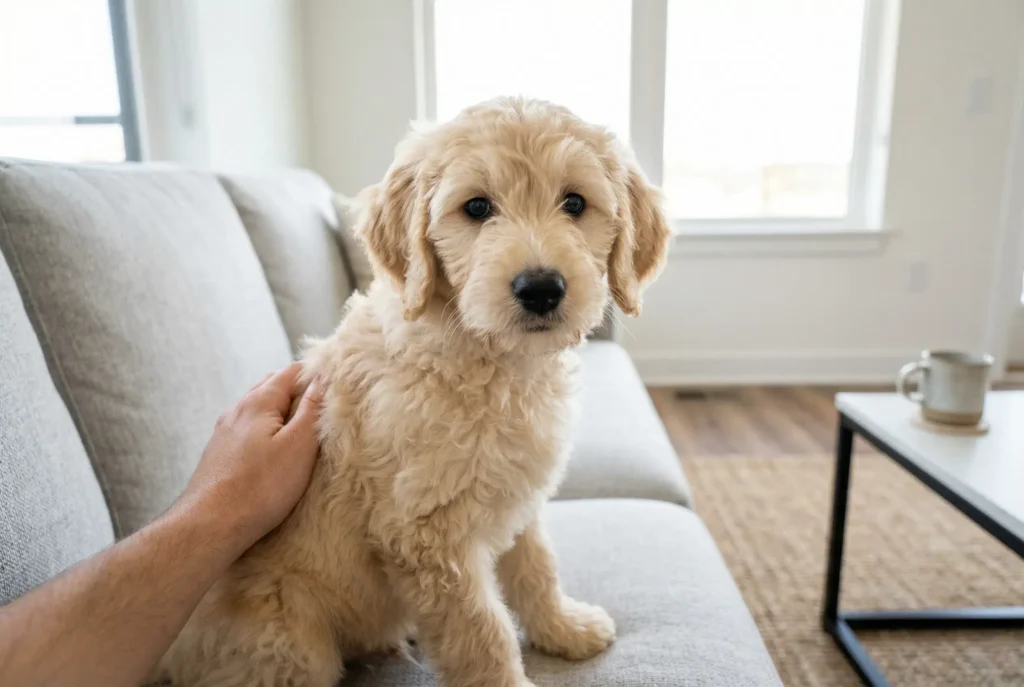
- Cream and apricot: Light shades ranging from nearly white to rich apricot tones represent the most common colors.
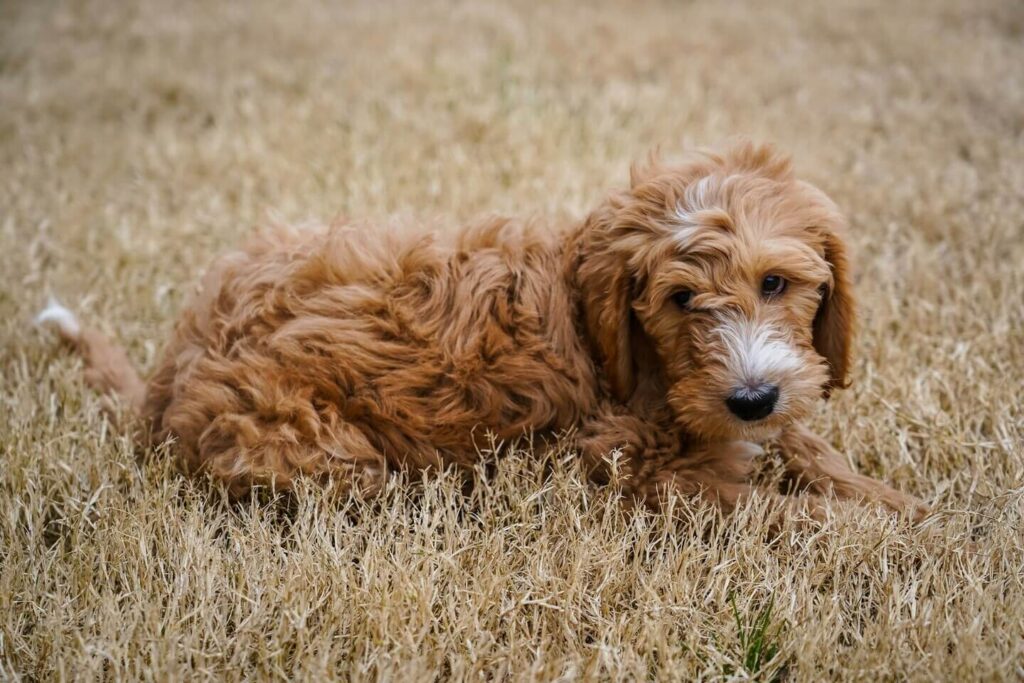
- Red and dark apricot: Deeper, richer colors appear when darker Golden Retriever genes combine with apricot Poodle ancestry.
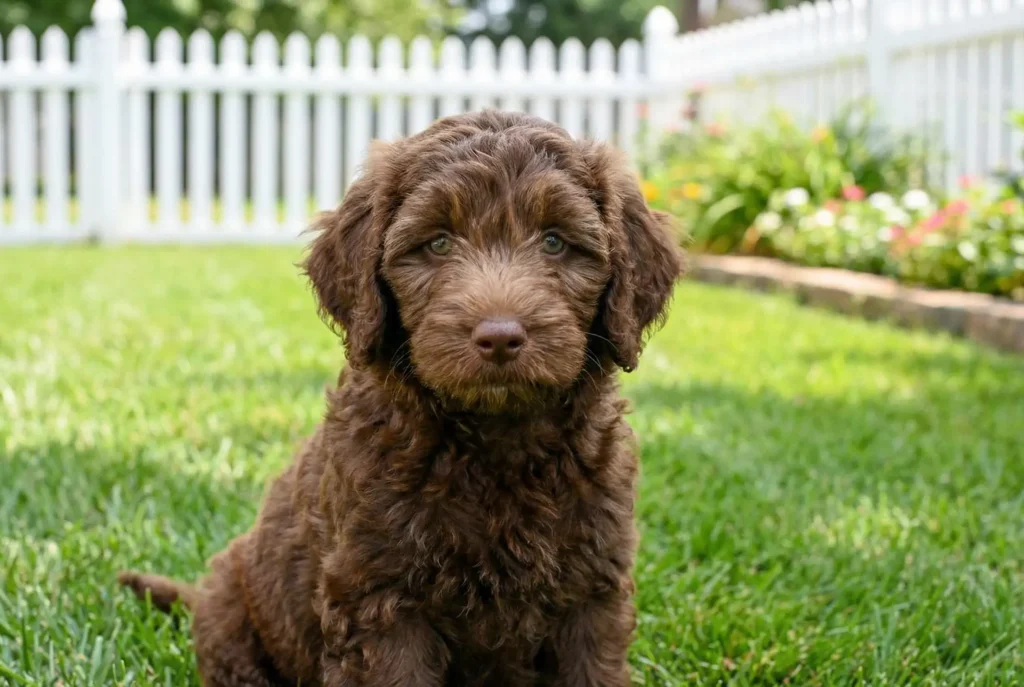
- Chocolate and black: Less common but possible when the Poodle parent carries these recessive genes.
- Parti and abstract patterns: Patches of white with solid color sections create striking patterns.
Color fading affects many dogs. Puppies born darker (especially reds and apricots) often lighten significantly as adults, a phenomenon called “clearing” inherited from Poodles.
Hypoallergenic Properties and Shedding Levels
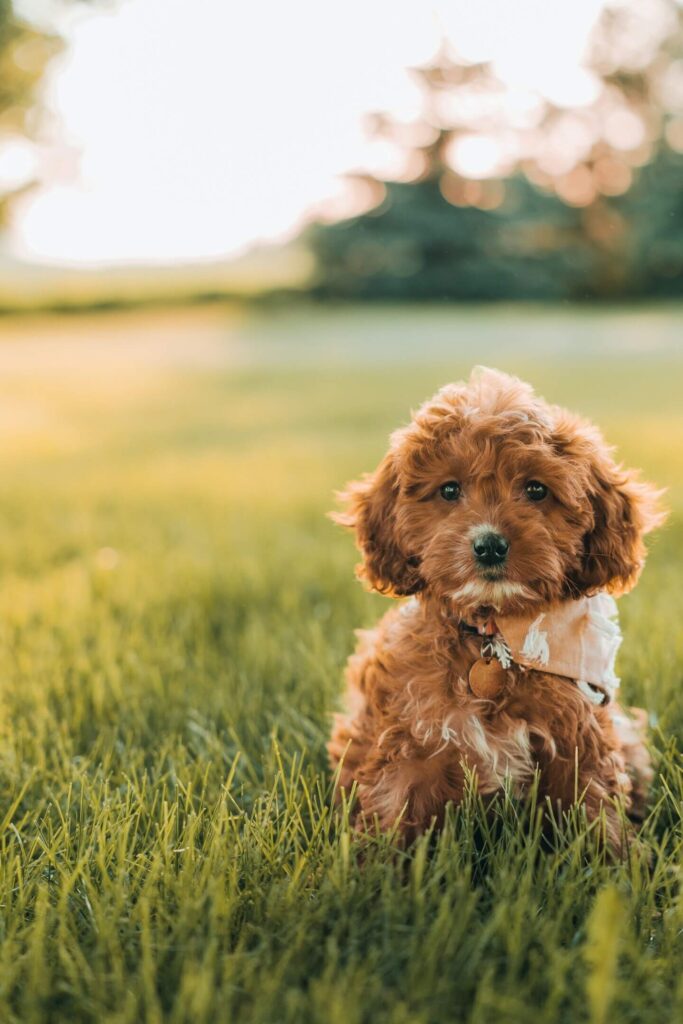
This generation is considered highly allergy-friendly due to minimal shedding and reduced dander production, though no dog is completely hypoallergenic. The 75% Poodle genetics significantly increase the likelihood of a low-shedding coat compared to F1 generation dogs. Most shed very little — perhaps a few hairs weekly rather than constant shedding.
Dog allergies stem primarily from proteins found in dander (dead skin cells), saliva, and urine rather than hair itself. However, shedding levels matter because shed hair carries dander throughout the environment, increasing allergen exposure. The tight curls trap loose hair and dander against the skin rather than releasing it into the air.
Why F1B is Better for Allergy Sufferers
The F1B generation provides the most reliable hypoallergenic properties among Goldendoodle generations. While F1 offers improved allergy-friendliness compared to Golden Retrievers, coat variability within F1 litters means some puppies shed moderately while others shed minimally. F1B breeding eliminates much of this unpredictability.
The furnishings gene responsible for the characteristic fluffy, non-shedding coat follows incomplete dominance. Poodles carry two copies, while Golden Retrievers carry none. F1 inherited one copy from the Poodle parent. When F1 dogs breed with Poodles, offspring receive one or two copies — all have furnishings, but those with two copies typically show stronger expression with curlier, denser coats that shed less.
Real-world allergy compatibility requires individual testing. Before committing to a puppy, allergy sufferers should spend extended time with the specific puppy or with F1B adult dogs from the same breeding program to assess personal reactions.
Understanding True Hypoallergenic Claims
No dog breed is 100% hypoallergenic, despite common marketing claims. The term “hypoallergenic” literally means “less likely to cause allergic reactions” rather than “completely allergen-free.” All dogs produce allergen proteins — breed differences relate to allergen distribution rather than complete absence.
Maintaining hypoallergenic benefits requires consistent grooming and home care. Regular bathing (every 2-4 weeks) removes accumulated dander before it spreads throughout the home. Daily brushing captures loose hair and skin cells. Professional grooming every 6-8 weeks keeps coat length manageable and removes maximum dander.
Temperament and Personality Traits
F1B Mini Goldendoodles typically display friendly, intelligent, and affectionate personalities combining the best temperament traits from both parent breeds. They inherit the Golden Retriever’s gentle, people-oriented nature alongside the Poodle’s intelligence and trainability. The temperament tends toward moderate to high energy, though less intense than working breeds.
Sociability represents a hallmark characteristic. Dogs generally love meeting new people, greeting strangers with enthusiasm rather than suspicion or fear. This friendliness makes them poor guard dogs but excellent therapy and emotional support animals.
Separation anxiety affects some dogs, as their strong bonding tendency sometimes manifests as distress when left alone. Dogs suit families where someone is home frequently better than households with long work hours.
Health Considerations and Life Expectancy
This breed typically lives 12-15 years, with many reaching 14-16 years when provided proper nutrition, exercise, and preventative veterinary care. The lifespan generally exceeds Golden Retrievers (10-12 years) while approximating Miniature Poodles (14-16 years).
Common Health Problems
These dogs may inherit health conditions from either parent breed. Responsible breeders conduct comprehensive health testing on all breeding dogs. Potential health concerns include:
- Hip dysplasia: Malformation of the hip joint causing arthritis and pain
- Progressive Retinal Atrophy (PRA): Inherited eye disease causing gradual vision loss
- Patellar luxation: Kneecap dislocation common in small dogs
- Von Willebrand’s Disease: Blood clotting disorder causing excessive bleeding
- Sebaceous adenitis: Inflammatory skin condition affecting sebaceous glands
Preventative care reduces health problems and extends lifespan. Annual veterinary examinations detect early disease signs when intervention proves most effective.
Health Advantages of F1B Generation
F1B Goldendoodles demonstrate hybrid vigor benefits while maintaining predictable characteristics. Crossbreeding produces heterosis — the genetic phenomenon where hybrid offspring show superior health compared to either parent breed.
Genetic diversity provides the mechanism underlying hybrid vigor. When two unrelated breeds cross, offspring receive diverse genetic material, typically inheriting one normal gene copy and one disease-causing copy for any recessive disorder — remaining healthy carriers rather than affected individuals.
Exercise, Training and Daily Care Requirements
F1B Mini Goldendoodles require 45-60 minutes of daily exercise divided into multiple sessions. Mental stimulation proves equally important as physical exercise, with puzzle toys, training sessions, and problem-solving activities preventing boredom-related behavioral problems.
Activity preferences include:
- Walking and hiking
- Swimming
- Fetch and retrieval games
- Dog sports (agility, rally obedience, dock diving)
Training continues throughout life, maintaining skills and providing mental enrichment. Professional trainers recommend 5-10 minute training sessions multiple times daily rather than single long sessions.
Where to Find Your F1B Mini Goldendoodle
At Love of Puppies, we specialize in breeding healthy, well-socialized Mini Goldendoodles with comprehensive health testing and lifetime support. Our breeding program emphasizes health, temperament, and coat quality, with every puppy raised in a nurturing environment and prepared for successful transition to their forever homes.
Frequently Asked Questions
What’s the difference between F1 and F1B Mini Goldendoodles?
F1 are 50% Golden Retriever and 50% Miniature Poodle (first generation cross), while F1B results from breeding an F1 back to a Miniature Poodle, creating 75% Poodle and 25% Golden Retriever genetics. F1B dogs have curlier, more hypoallergenic coats with less shedding but require more intensive grooming.
Are F1B Mini Goldendoodles good for people with allergies?
F1B are among the best Goldendoodle generations for allergy sufferers due to their 75% Poodle genetics producing minimal shedding and reduced dander distribution. However, no dog is 100% hypoallergenic — individual testing with specific dogs before commitment is essential.
How big do F1B Mini Goldendoodles get?
F1B typically weigh 15-35 pounds and stand 13-20 inches tall at the shoulder when fully grown at 11-13 months. Individual size depends primarily on parent sizes.
What health problems do F1B Mini Goldendoodles have?
F1B may inherit hip dysplasia, progressive retinal atrophy, patellar luxation, Von Willebrand’s disease, and sebaceous adenitis from parent breeds. Responsible breeders perform comprehensive health testing on breeding dogs to minimize genetic disease transmission.