
Table of Contents:
- Mini Goldendoodle Cost by Generation
- First-Year Costs Beyond the Purchase Price
- Annual Costs of Ownership
- Finding Fairly Priced Mini Goldendoodles
- Frequently Asked Questions
The mini goldendoodle cost in 2026 starts around $2,000 to $2,250 from responsible breeders, though prices vary based on location, generation, and breeder quality. Understanding what drives these prices and planning for lifetime expenses helps you budget properly and find a healthy, well-bred companion.
Mini Goldendoodle Cost by Generation
Generation significantly impacts pricing because each cross produces different coat types, shedding levels, and appearance predictability. F1B mini goldendoodles (75% Poodle, 25% Golden Retriever) typically cost more due to their more consistent hypoallergenic coats. Understanding what each generation offers helps you decide whether paying extra makes sense for your specific needs.
F1 Mini Goldendoodles
The F1 mini goldendoodle cost typically represents the lower end of the pricing spectrum from reputable breeders. This first-generation cross between a purebred Miniature Poodle and purebred Golden Retriever creates the most genetic diversity and hybrid vigor. F1 puppies show the widest variation in coat type, with some having wavy coats that shed lightly and others sporting curlier, more Poodle-like coats.
Breeders price F1s lower than F1B because their coats are less predictable. About half of F1 puppies inherit wavy coats with some shedding, while the other half get curlier, low-shedding coats. The lower pricing partly reflects the fact that breeders can’t guarantee which coat type each puppy will have.
F1B and F1BB Mini Goldendoodles
Breeders typically charge more for F1B Mini Goldendoodles than F1s. This generation results from breeding an F1 Goldendoodle back to a purebred Miniature Poodle, creating puppies that are 75% Poodle. The extra Poodle genetics produce more predictable, curlier coats with minimal to no shedding in most puppies.
The F1BB mini goldendoodle cost represents the highest prices in the generation spectrum. F1BB puppies come from breeding an F1B back to another purebred Poodle, resulting in 87.5% Poodle genetics. These dogs have the curliest coats and the absolute lowest shedding. Only specialized breeders work with F1BB lines since they require maintaining multiple generations of dogs.
The higher prices for F1B and F1BB reflect both the coat predictability buyers want and the additional breeding complexity. Breeders need to raise F1 puppies first, evaluate which ones have the best traits, then wait until those dogs mature enough to breed back to Poodles. This multi-generation process takes years and represents significant investment.
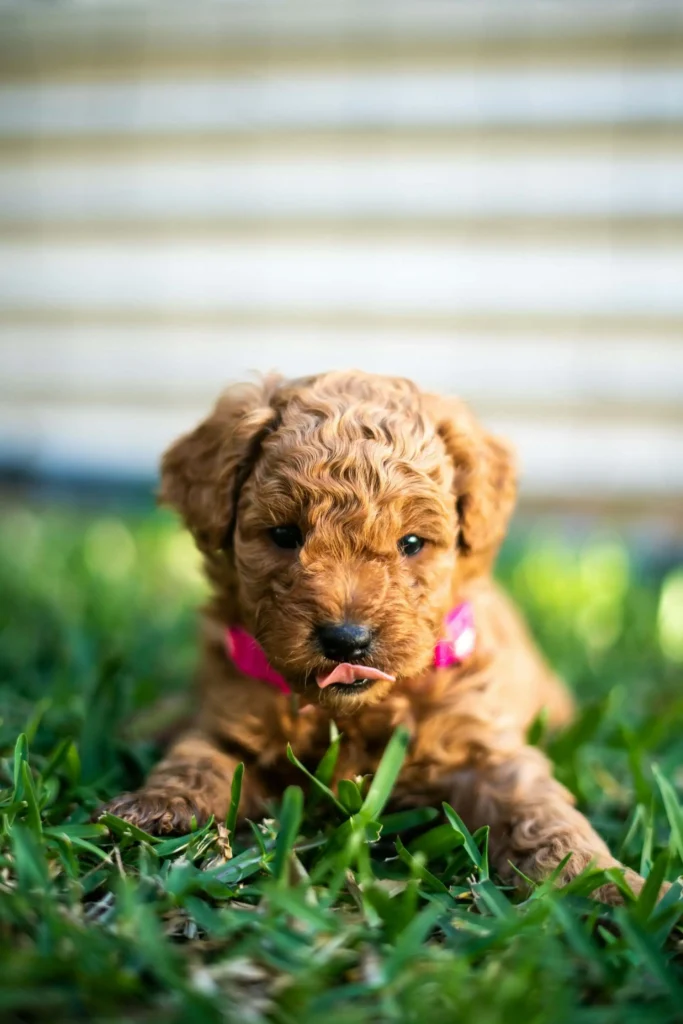
First-Year Costs Beyond the Purchase Price
Your puppy represents just the beginning of your financial commitment. First-year expenses include initial supplies, veterinary care, training, food, and grooming. These costs run significantly higher than subsequent years because you’re buying everything from scratch and completing the puppy vaccination series.
Initial Setup and Supplies
Your puppy needs essential gear before coming home. A properly sized crate for house training, food and water bowls, comfortable bed, collar, leash, and identification tags all cost money upfront. Grooming basics like slicker brush, metal comb, nail clippers, and puppy-safe shampoo let you handle maintenance between professional appointments.
Puppy-proofing supplies matter too. Enzymatic cleaner for house training accidents, safety gates to confine your puppy to safe areas, and variety of chew toys and puzzle feeders prevent destructive behavior. Mini Goldendoodles need mental stimulation, making quality interactive toys worthwhile investments.
Veterinary Care in Year One
Expect to visit your veterinarian multiple times during the first year. Your puppy needs several rounds of core vaccinations spaced weeks apart. Core vaccines protect against distemper, parvovirus, adenovirus, and rabies. Non-core vaccines like Bordetella or Lyme might be needed based on your lifestyle and exposure risk.
Spaying or neutering represents a significant first-year expense. Most vets recommend spaying females around six months and neutering males between six and twelve months. Additional first-year medical care includes initial wellness exam, fecal testing and deworming, year-round heartworm and flea/tick prevention, and microchipping if not done by your breeder.
Training and Socialization
Puppy kindergarten or basic obedience classes provide crucial socialization with other puppies and people while teaching basic commands. These group sessions offer structure and professional guidance that especially helps first-time dog owners. The investment in early socialization prevents behavior problems that cost far more to fix later.
Annual Costs of Ownership
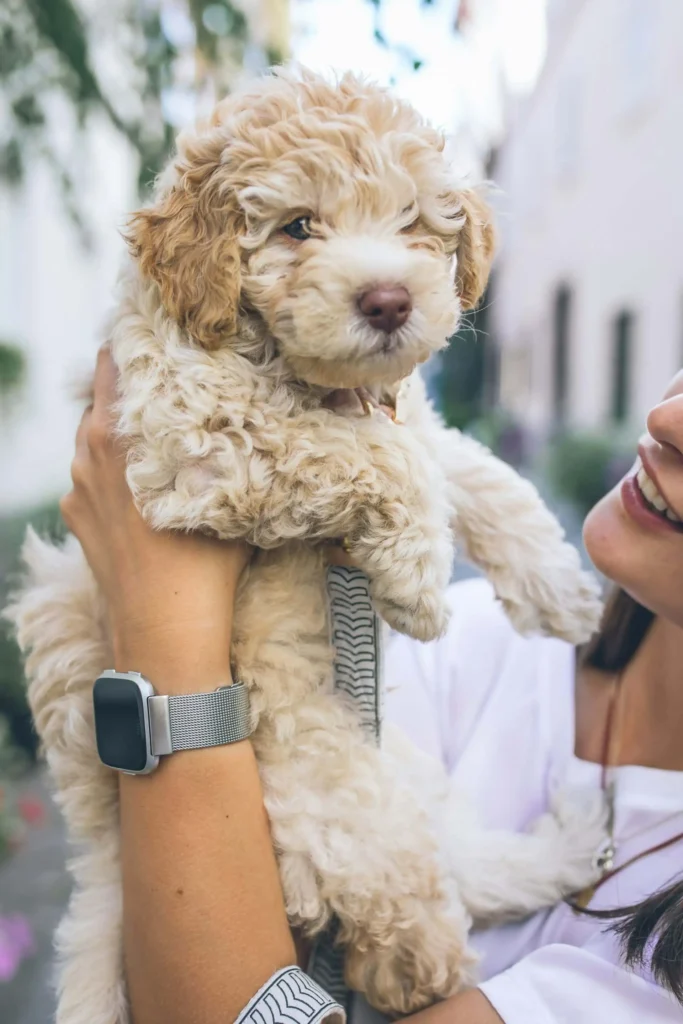
Plan to budget for ongoing Mini Goldendoodle ownership after the first year. Annual expenses include food, professional grooming, routine veterinary care, and preventive medications. These costs stay relatively consistent through the prime adult years, then increase during senior years when dogs need more frequent vet visits.
Grooming Expenses
Professional grooming every six to eight weeks keeps your Mini Goldendoodle looking good and feeling comfortable. Full grooming includes bath, haircut, nail trim, ear cleaning, and anal gland expression. Keeping up with brushing at home several times weekly prevents mats and keeps grooming costs predictable.
Doing some grooming yourself saves money but requires investment in quality tools. Many owners stretch professional appointments longer by doing face, paw, and sanitary trims themselves between full grooming sessions.
Food and Veterinary Care
High-quality dog food with real meat as the first ingredient costs more but supports better health long-term. Treats add to your monthly food budget if you follow the 10% rule keeping treats under 10% of daily calories.
Annual wellness exams should happen every year through age seven, then increase to twice yearly for senior dogs. These checkups catch problems early when they’re cheapest and easiest to treat. Year-round preventive medications for heartworm, flea, and tick prevention protect against diseases that cost thousands to treat. Dental cleaning becomes necessary every few years starting in middle age.
Finding Fairly Priced Mini Goldendoodles
The average cost of mini goldendoodles from quality breeders who health test parents and provide proper care reflects real investments in producing healthy puppies. The average price of mini goldendoodle puppies justifies itself when you consider what goes into responsible breeding programs.
At Love of Puppies we’ve specialized in breeding Miniature Goldendoodles for over 9 years with a focus on health, temperament, and proper socialization. Our puppies enjoy plenty of outdoor playtime in our large backyard, promoting healthy physical and mental development. Each puppy undergoes thorough veterinary examination, receives all necessary vaccinations and deworming treatments, and comes with a comprehensive health guarantee.
Frequently Asked Questions
How much should I expect to pay for a Mini Goldendoodle in 2026?
Plan on $2,000 to $2,250 from reputable breeders who health test parents and provide proper early care. Prices below this range suggest shortcuts on health testing or poor breeding practices. Regional variation affects pricing, with urban areas charging more than rural regions.
Are F1B Mini Goldendoodles worth the extra cost?
F1B puppies justify higher prices if you specifically need low-shedding, hypoallergenic qualities for allergies. Their 75% Poodle genetics create more predictable curly coats with minimal shedding. F1 dogs offer good value if you’re flexible about coat type since about half also have low-shedding coats.