Table of Contents:
- What Is a Petite Goldendoodle
- Generations & Coat Predictability
- How Generations Affect Coat and Shedding
- Health, Testing & Preventive Care
- Nutrition & Feeding Schedules
- Grooming & Coat Care Routines
- Training, Socialization & Temperament
- Frequently Asked Questions
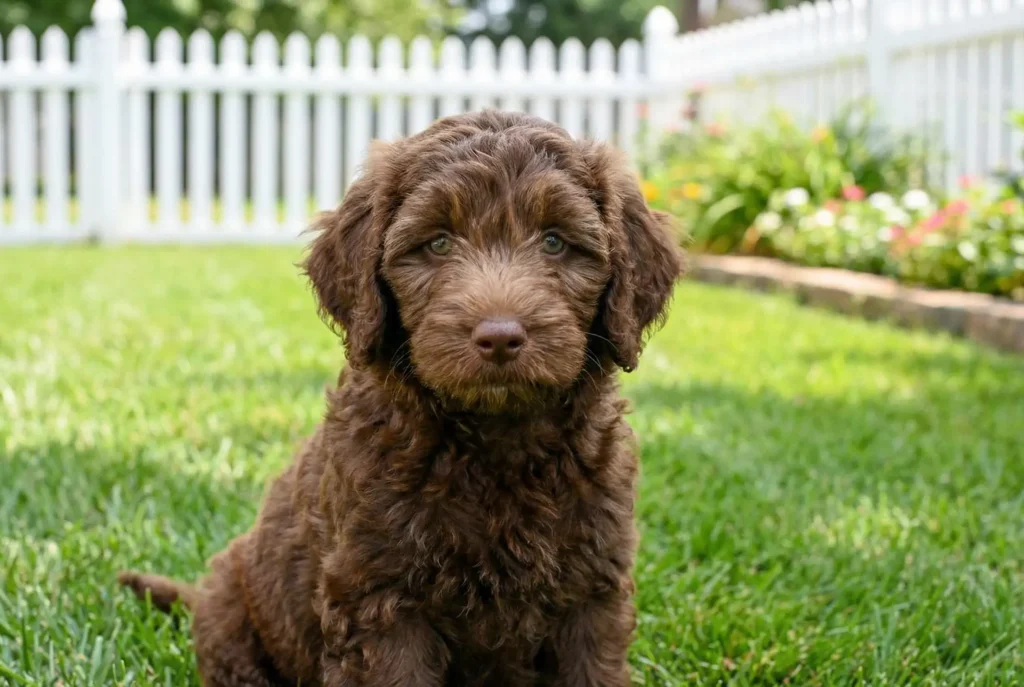
The Petite Goldendoodle is a small, affectionate, and intelligent hybrid dog that combines the best qualities of the Golden Retriever and the Toy or Miniature Poodle. Compact yet full of personality, this adorable doodle is known for its loving temperament, minimal shedding, and adaptable nature — ideal for families and apartment living alike.
What is a Petite Goldendoodle
Before diving into their care and characteristics, it’s essential to understand what sets the Petite Goldendoodle apart. This section defines their size, temperament, and family fit — answering the most common questions new owners have about this lovable breed.
A Petite Goldendoodle is a cross between a Golden Retriever, a Poodle (Miniature or Toy), and sometimes a Cocker Spaniel. On average, they weigh between 15 and 25 pounds and stand 10 to 14 inches tall at the shoulder. This makes them smaller than Mini Goldendoodles yet sturdier than so-called “teacup” doodles.
Their compact build and warm personality make them perfect for families, singles, and seniors alike. With their intelligence and eagerness to please, they thrive in both busy households and quieter homes.

How Big Does a Petite Goldendoodle Get
Most Petite Goldendoodles reach their full size by 12 months. Females average 17–22 pounds, while males tend to reach 20–25 pounds. Even the largest remain easy to handle, making them suitable for apartment life and frequent travel.
Petite vs Mini vs Medium Goldendoodle
| Type | Height (inches) | Weight (lbs) | Suitability |
| Petite Goldendoodle | 10–14 | 15–25 | Best for apartments, small families |
| Mini Goldendoodle | 13–17 | 25–35 | Active families, small yards |
| Medium Goldendoodle | 17–21 | 35–50 | Larger homes, active owners |
Compared to the Mini, the Petite Goldendoodle is easier to manage and better suited to smaller spaces, while still being lively and affectionate.
Generations & Coat Predictability
Understanding your Petite Goldendoodle’s generation helps predict its coat, size, and shedding tendencies. Breeders classify them by generation — terms like F1, F1b, or Multigenerational — based on parentage and genetics.
What Do F1, F1b, and Multigen Mean
If you’ve seen labels like F1 or F1b and wondered what they mean, this quick guide clarifies the genetics behind those terms.
- F1 Petite Goldendoodle. 50% Golden Retriever and 50% Miniature or Toy Poodle. Wavy coat, moderate shedding.
- F1b Petite Goldendoodle. 75% Poodle, 25% Golden Retriever. Curly, low-shedding coat — often better for allergy-sensitive families.
- Multigenerational. Offspring of two Goldendoodles, bred for stable coat and temperament.
These distinctions influence grooming needs, appearance, and allergy-friendliness, which is why understanding generation type matters when choosing your puppy.
How Generations Affect Coat and Shedding
The relationship between genetics and coat texture is key for grooming and allergy management. Here’s how generations influence shedding.
- Wavy coats (F1) are soft and low-shedding but need frequent brushing.
- Curly coats (F1b, Multigen) shed minimally and retain their shape between grooming visits.
- Straight coats are rare and tend to shed slightly more.
Petite Goldendoodles come in shades of cream, apricot, red, and parti. Ethical breeders avoid merle due to genetic risks. Coat textures range from fluffy fleece to tight curls, depending on Poodle influence and generation.
Health, Testing & Preventive Care
Health is the heart of a long and happy relationship with your Petite Goldendoodle. Although this breed is generally healthy and robust, their mixed heritage means they can inherit certain conditions from both parent lines. By understanding what to look for and following a solid preventive routine, owners can ensure their doodle enjoys a long, active life.
Common Health Issues and Testing
Like all designer breeds, Petite Goldendoodles may develop genetic or lifestyle-related conditions if not responsibly bred or properly cared for. The most reputable breeders conduct full testing through OFA (Orthopedic Foundation for Animals) and PRA (Progressive Retinal Atrophy) panels before breeding.
Common inherited concerns include:
- Hip and elbow dysplasia. These are joint malformations that can cause arthritis or lameness, especially in overweight dogs. Keeping your doodle lean significantly reduces risk.
- Progressive retinal atrophy (PRA). This degenerative eye condition can lead to blindness over time; DNA testing of parents prevents passing it on.
- Patellar luxation. Common in small dogs, this “floating kneecap” can cause limping or hopping behavior.
- Allergies and skin irritation. Often triggered by diet, pollen, or grooming products. Using hypoallergenic shampoo and balanced nutrition helps.
- Ear infections. Due to floppy ears that trap moisture — regular cleaning is key.
Lifespan and Longevity
The average Petite Goldendoodle lifespan is 12–16 years, depending on diet, exercise, and genetics. Small dogs tend to live longer, and this size advantage works in their favor. Preventive care — vaccinations, nutrition, dental hygiene, and weight management — can easily add several healthy years to your doodle’s life.
Key longevity factors include:
- Keeping your dog’s body condition score (BCS) between 4–5 out of 9.
- Feeding a complete diet based on AAFCO standards.
- Scheduling annual checkups and bi-annual senior screenings after age 8.
- Providing at least 45 minutes of activity daily to maintain cardiovascular health.
Dogs that receive regular vet visits live an average of 15–20% longer, according to data summarized by the American Veterinary Medical Association (AVMA).
Preventive Care Checklist
A preventive care plan should cover physical health, emotional wellness, and safety.
Essential health habits:
- Vaccinations. Follow your veterinarian’s schedule for core vaccines (rabies, DHPP) and optional ones (bordetella, leptospirosis, Lyme) based on your area.
- Parasite prevention. Use monthly flea, tick, and heartworm preventives year-round — especially if you live in a warm or wooded region.
- Dental hygiene. Brush your dog’s teeth at least three times per week using enzymatic toothpaste; professional cleanings every 12–18 months are ideal.
- Spaying/neutering. Reduces the risk of reproductive cancers and prevents unwanted litters.
- Regular grooming. Clean ears weekly, trim nails monthly, and check skin for bumps or irritation.
Following these simple steps helps your Petite Goldendoodle stay active, happy, and healthy throughout every stage of life.

Nutrition & Feeding Schedules
A healthy diet is the cornerstone of your Petite Goldendoodle’s wellbeing. Balanced nutrition supports their energy, coat quality, and immune system. Because small dogs burn calories quickly, they need calorie-dense meals in controlled portions to maintain optimal weight.
Feeding Amount and Frequency
Feeding your dog the right amount prevents both obesity and nutritional deficiencies. Puppies, adults, and seniors each have unique needs.
- Puppies (2–6 months). 3–4 meals per day, totaling 1–1.5 cups of high-quality food. Puppies are growing fast and need more protein (22–30%) and fat (12–18%).
- Adults (6 months–8 years). 2 meals per day, totaling 1.25–2 cups, depending on size and activity.
- Seniors (8+ years). 2 smaller meals per day with fewer calories and added joint support (glucosamine, chondroitin).
Keep a consistent schedule and measure portions with a cup — not by “eyeballing.”
Recommended Food Types
Choosing the right food ensures steady energy and coat health. According to WSAVA and AAFCO standards, always look for complete and balanced small-breed formulas.
Top diet formats:
- Dry kibble. Convenient, dental-friendly, and nutrient-stable.
- Fresh or gently cooked. High moisture content, easy digestion.
- Limited-ingredient diets. Ideal for sensitive stomachs or allergies.
- Mixed feeding. Combining kibble and fresh food for variety and hydration.
Avoid raw diets unless supervised by a veterinarian, as bacteria like Salmonella can pose health risks to both dogs and humans.
Handling Allergies and Weight Management
Food sensitivities in Petite Goldendoodles often appear as itchy skin, ear infections, or licking paws. Transitioning to fish-based or grain-inclusive diets with natural antioxidants often helps.
For weight control, use a Body Condition Score (BCS) chart and feel for ribs easily without visible fat. Replace high-calorie treats with green beans, blueberries, or carrot slices.
Maintaining a healthy weight not only supports joints but can extend your dog’s lifespan by up to two years.
Grooming & Coat Care Routines
Grooming a Petite Goldendoodle is part of keeping them healthy and happy. Their coat doesn’t shed much, but it can mat quickly without regular maintenance. Establishing a routine saves time and avoids discomfort.
Grooming Frequency
Professional grooming every 6–8 weeks is recommended, with at-home brushing 3–4 times weekly. The combination keeps the coat soft and prevents mats from forming at the base. Bathing every 4–6 weeks with gentle, pH-balanced shampoo maintains cleanliness without stripping oils.
At-Home Grooming Essentials
Key grooming tools:
- Slicker brush. Removes tangles and loose fur effectively.
- Metal comb. Essential for checking dense or curly sections behind ears and under legs.
- Detangling spray. Protects the coat from breakage and static.
- Nail grinder or clippers. Trim every 3–4 weeks to prevent discomfort and joint misalignment.
Hygiene and Ear Care
Clean ears weekly using a soft cotton pad and vet-approved cleaner. Check for odor or redness — early signs of yeast infection. Trim hair around the eyes to prevent irritation and clean tear stains with damp wipes. Consistent grooming prevents most dermatological issues in doodles.
Training, Socialization & Temperament
A Petite Goldendoodle’s gentle nature and quick intelligence make them one of the easiest small dogs to train. They thrive on positive reinforcement and consistent routines.
Temperament Overview
Petite Goldendoodles are affectionate, confident, and social. Their temperament combines the sweetness of the Golden Retriever with the sharp intellect of the Poodle. They rarely show aggression and respond well to gentle correction. Early socialization ensures they remain friendly toward strangers and other pets.
Training and Socialization
Start basic obedience and crate training around 8–10 weeks old. Short, frequent sessions (5–10 minutes) work best for their attention span.
Core training focuses:
- Crate training. Builds security and aids in potty training.
- Housebreaking. Set consistent potty times after meals or naps.
- Basic commands. “Sit,” “Stay,” and “Come” teach respect and communication.
- Socialization. Expose to people, pets, and environments to prevent anxiety.
Training should always be calm and encouraging — Petite Goldendoodles respond best to praise and treats, not punishment.
Exercise and Mental Stimulation
Though small, this breed needs 45–60 minutes of daily activity. This can include two brisk 20-minute walks and short indoor play sessions. Mental exercise is just as vital — rotate toys weekly and use puzzle feeders to engage their brain.
Without stimulation, Petite Goldendoodles can become bored and chew furniture or bark excessively. A structured schedule keeps them content and well-mannered.
Frequently Asked Questions
Are Petite Goldendoodles hypoallergenic?
They are considered low-shedding, not fully hypoallergenic. Their Poodle lineage reduces dander and loose hair, making them suitable for mild allergy sufferers. However, people with severe allergies should spend time with the breed before adoption to test sensitivity. Regular grooming, HEPA filters, and bathing every 4–6 weeks help minimize allergens.
How often should puppies be groomed?
Brushing at least 3–4 times weekly prevents mats and keeps the coat soft. Professional grooming every 6–8 weeks maintains coat health and hygiene. Dogs with curlier coats (F1b or Multigen) may need trimming around the face and paws more often to avoid tangling.
Are Petite Goldendoodles easy to train?
Yes. Their intelligence ranks among the top 10% of small companion breeds. They learn commands quickly — usually mastering basics within a few weeks of consistent, reward-based training. Their sensitive temperament means they respond best to gentle encouragement rather than firm corrections.
Are they good for first-time dog owners?
Absolutely. They are loving, manageable, and eager to please — ideal for beginners.
Are Petite Goldendoodles good for families?
Yes. Petite Goldendoodles are gentle, patient, and love to play with children. They form strong bonds with family members and adapt easily to new environments. Their even temperament and cheerful nature make them one of the best choices for first-time dog owners.