
Table of Contents:
- What is a Red Goldendoodle
- Red, Apricot and Cream Goldendoodles
- Miniature and Standard Red Goldendoodles
- Is a Red Mini Goldendoodle Right for Your Lifestyle
- Acquiring Red Goldendoodle Puppies
- Coat, Grooming & Maintenance for Reds
- Health, Nutrition & Lifespan
- Training, Behaviour & Daily Life
- Ownership Costs & Long-Term Planning
- Final Thoughts
- Frequently Asked Questions
A red Goldendoodle is a stunning and affectionate hybrid between a Golden Retriever and a Poodle. Known for their rich coat color and affectionate nature, they’ve become one of the most family-friendly designer breeds. This guide provides expert insights into every aspect of ownership — from genetics and temperament to grooming, nutrition, and cost — helping families make informed, confident decisions.
What is a Red Goldendoodle
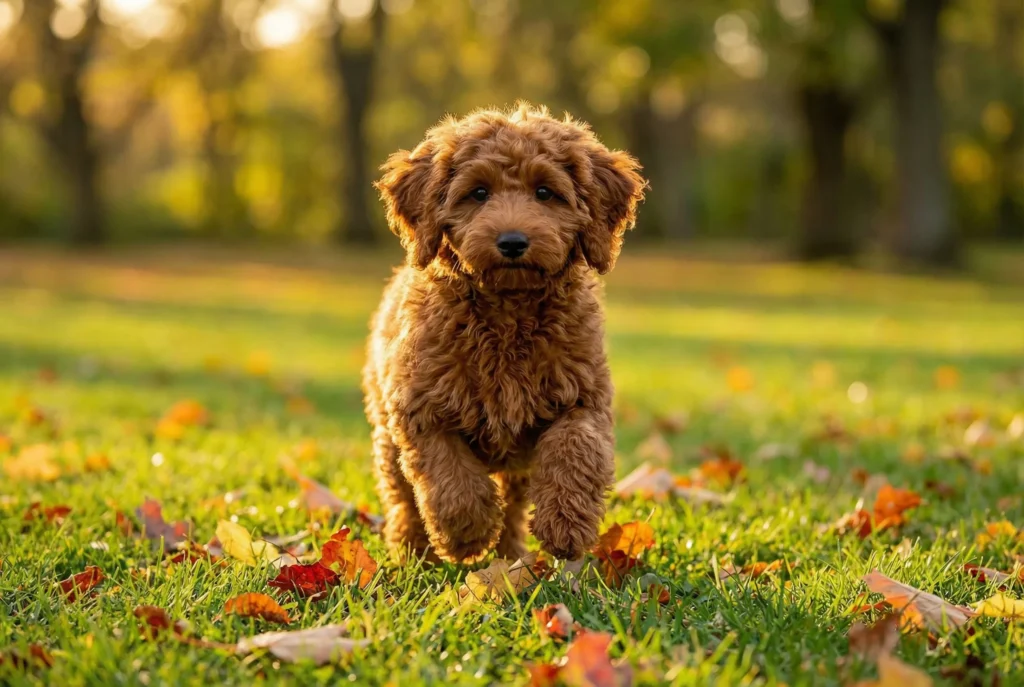
A red Goldendoodle is a cross between a Golden Retriever and a Poodle bred specifically for its warm, reddish coat. The deep shade comes from pheomelanin pigmentation, the same pigment responsible for the red tones in Golden Retrievers. These dogs blend the best traits of both breeds: the Poodle’s hypoallergenic coat and the Retriever’s loyal, loving disposition.
Red Goldendoodles are highly adaptable and known for their emotional intelligence. They learn commands quickly and thrive in family environments where social interaction and mental stimulation are routine. Their coat may vary from curly to wavy or straight, depending on genetics, but all require consistent grooming and maintenance.

Red, Apricot and Cream Goldendoodles
When comparing red and apricot Goldendoodles, the key difference lies in pigment intensity. Reds have stronger pheomelanin concentration, resulting in richer hues, while apricots appear lighter and may fade more quickly as the dog ages. Cream Goldendoodles tend to maintain a pale golden or ivory tone throughout life.
Red coats often attract owners for their rarity and striking appearance, but maintenance can be slightly more demanding. Exposure to sunlight or harsh shampoos may cause fading. Using color-safe grooming products and providing a balanced diet with omega-3 fatty acids can help preserve vibrancy.
| Color | Typical Shade | Fading Tendency | Notes |
| Red | Deep mahogany | Moderate | Retains warmth with proper care |
| Apricot | Peachy gold | High | Often lightens with age |
| Cream | Soft ivory | Low | Maintains consistent hue |
Miniature and Standard Red Goldendoodles
Choosing between a red Mini Goldendoodle and a Standard Goldendoodle depends largely on your living space, lifestyle, and activity level.
- Mini Goldendoodles typically weigh 15–35 pounds (7–16 kg) and stand 13–17 inches (33–43 cm) tall at the shoulder.
- Standard Goldendoodles, the largest size, range from 50–85 pounds (23–39 kg) and stand 21–24+ inches (53–61 cm) tall.
Miniatures are easier to transport, require less space, and adapt well to apartments or smaller homes. In contrast, Standard Goldendoodles are better suited for active families or homes with large yards, where they can enjoy more room to play and exercise.
Despite size differences, both share the same playful, affectionate, and social nature. Miniatures need shorter but frequent bursts of activity, while Standards benefit from longer exercise sessions, such as hikes or long runs. Both thrive in environments that offer consistent attention, structured routines, and family interaction.
Is a Red Mini Goldendoodle Right for Your Lifestyle
Owning a red mini Goldendoodle means balancing affection, energy, and care. These dogs are wonderful companions for individuals, couples, or families who can meet their emotional and physical needs.
Typical Size, Growth, and Exercise Needs
Red Mini Goldendoodles grow rapidly during their first year, reaching most of their adult size by 10–12 months. Males and females average between 18–30 pounds (8–14 kg) when fully grown, depending on their generation and parental sizes.
Even though they are small, Minis are energetic and intelligent, requiring at least 45–60 minutes of activity per day. This can include:
- Two short walks (15–20 minutes each).
- Playtime in the yard or indoors.
- Interactive toys and mental games (like snuffle mats or treat puzzles).
- Training sessions that reinforce obedience and agility.
Because of their Poodle heritage, Mini Goldendoodles love to learn and excel at fetch, agility courses, and trick training. Early socialization and positive reinforcement help them grow into confident, well-mannered companions.
Apartment vs House, Kids & Pets Compatibility
A mini Goldendoodle temperament is affectionate, adaptable, and gentle, making them perfect for both apartments and houses. They adjust well to smaller spaces as long as they receive adequate playtime and social engagement.
Their friendly nature makes them excellent with children. They’re patient and tolerant, rarely showing aggression when socialized early. With other pets, Goldendoodles generally integrate smoothly, provided introductions are gradual and positive. Their social intelligence helps them interpret cues from other animals effectively.
Travel, Portability & Everyday Living
A mini red Goldendoodle is small enough to travel comfortably in cars or even airplanes when properly crate-trained. Their temperament makes them excellent travel companions, as they tend to remain calm and curious in new environments. Introducing short, positive travel experiences early helps prevent anxiety later.
To make travel easier, always maintain a familiar blanket or toy in their crate. This provides comfort and continuity during trips. For long journeys, plan frequent breaks for hydration and short walks.

Acquiring Red Goldendoodle Puppies
Finding red Goldendoodle puppies involves careful research and breeder evaluation. Ethical breeding ensures healthy genetics, proper temperament, and long-term wellbeing.
Finding Reputable Breeders & Ethical Considerations
Responsible breeders prioritize health and temperament over color alone. When evaluating a breeder, look for transparent communication, health certificates, and willingness to answer questions. Visiting the breeding facility, if possible, allows you to observe living conditions and socialization practices.
A trustworthy breeder raises puppies in a home environment with exposure to everyday sights and sounds. They should also provide vaccination records, parent test results, and guidance on transitioning your new puppy home safely.
Health Testing, Generation & Color Authenticity
The F1 and F1b red Goldendoodle distinction affects coat predictability. F1s often have a mix of coat types and light shedding, while F1b (backcrossed with a Poodle) have curlier, more hypoallergenic coats. Regardless of generation, comprehensive health testing is essential.
Ask breeders about OFA certifications, eye and heart evaluations, and DNA panels for common genetic issues. Skipping these tests can lead to costly health complications later. A breeder who emphasizes color without mentioning genetics or structure should be approached with caution.
Coat, Grooming & Maintenance for Reds
A red Goldendoodle coat requires dedication to keep it bright, tangle-free, and healthy. This section explains coat maintenance, styling, and color preservation.
The Red Coat Color, Fading, Markings & Genetics
Red coats are sensitive to environmental factors. Regular grooming, proper nutrition, and gentle shampoos prevent dullness. Some dogs display abstract white markings or tuxedo patterns, which add to their charm without affecting genetic quality.
Owners can maintain coat vibrancy by avoiding prolonged sun exposure and ensuring adequate vitamin E and fatty acids in the diet. Coat texture — curly, wavy, or straight — also influences appearance and grooming frequency.
Grooming Tools, Schedule & Styles
A red Goldendoodle grooming routine involves brushing several times weekly and professional trims every few weeks. Home grooming requires a slicker brush, metal comb, detangling spray, and high-velocity dryer to prevent matting.
Common grooming styles:
- Teddy bear cut. Offers a fluffy, round appearance with manageable length.
- Lamb cut. Easier maintenance with shorter hair on the body.
- Puppy trim. Even length across the coat for active dogs.
- Clean face and feet trim. Practical option for hygiene and minimal upkeep.
Regular ear cleaning, nail trimming, and teeth brushing complete the routine. Setting a consistent schedule prevents tangles and skin irritation.
Shedding, Dander & Allergy Considerations
While many consider Goldendoodles hypoallergenic, no breed is entirely allergen-free. Shedding depends on coat type: curlier coats shed less but require more grooming. Wavy coats strike a balance between maintenance and minimal shedding.
For families with allergies, frequent grooming, vacuuming, and use of air purifiers minimize airborne dander. Bathing with gentle, allergen-reducing shampoos further decreases reactions.

Health, Nutrition & Lifespan
Proper healthcare and diet play vital roles in the mini Goldendoodle lifespan. Responsible breeding and preventive care extend longevity and quality of life.
Common Health Conditions & Screening for Minis
Mini Goldendoodles are generally healthy, but several inherited issues may arise if breeding isn’t properly managed. Hip dysplasia and patellar luxation are the most common orthopedic problems. Early testing through OFA or PennHIP evaluations helps identify risks.
Ear infections can occur due to floppy ears that trap moisture. Regular cleaning and drying after baths or swimming prevent bacteria buildup. Skin allergies are also relatively common; switching to limited-ingredient diets or adding omega-3 supplements often helps reduce irritation.
Owners should watch for subtle signs such as limping, frequent scratching, or head shaking — these indicate potential health problems that benefit from early veterinary attention.
Feeding Plans, Puppy to Adult, Coat & Skin Support
Feeding a balanced diet ensures strong immunity, healthy joints, and vibrant coats. Choose an AAFCO-complete Goldendoodle diet from reputable manufacturers that meet WSAVA standards. Meals rich in lean protein, antioxidants, and fish oil enhance coat shine and overall vitality.
Feed puppies more frequently during growth phases, transitioning gradually to adult feeding schedules. Monitor body condition rather than exact portion size to maintain a healthy weight. Fresh water and structured feeding times encourage consistent digestion.
Life-Stage Care, Preventive Vet Visits & Insurance
Preventive care includes vaccinations, parasite prevention, and annual dental checks. Early enrollment in pet insurance for Goldendoodles helps offset potential medical costs and provides peace of mind. A preventive plan with your vet keeps your dog in optimal condition.
Training, Behaviour & Daily Life
Training and social structure ensure your red Goldendoodle grows into a confident and obedient companion. Their eagerness to please makes them responsive to positive reinforcement.
Temperament, Socialisation & Family Fit
A red Goldendoodle temperament combines the intelligence of the Poodle with the gentle nature of the Golden Retriever. Early socialization builds confidence and adaptability. Expose puppies to various people, sounds, and experiences in short, positive sessions.
This breed thrives on family involvement. They form deep emotional bonds and are happiest when included in daily activities — whether playing, relaxing, or accompanying you outdoors.
Exercise, Enrichment & Avoiding Separation Anxiety
Goldendoodles require both physical and mental stimulation. Without proper engagement, they may develop destructive habits or anxiety. Interactive toys, obedience games, and scent-based puzzles satisfy their curiosity and prevent boredom.
Establish predictable routines for feeding, walks, and downtime. Leaving background music or a familiar scent when you’re away reduces separation stress and helps maintain calm behavior.
Obedience Basics, Leash Work & Advanced Cues
Start training from the first day home. Focus on short, positive sessions to keep attention high. Basic commands such as sit, stay, and come form the foundation for advanced training later. Reward consistency, not perfection, and keep lessons engaging with variety.
Once basic obedience is mastered, progress to leash manners, recall games, or agility challenges. This mental stimulation prevents behavioral issues and strengthens the human-animal bond.
Ownership Costs & Long-Term Planning
Owning a red Goldendoodle is a joyful yet long-term commitment that requires financial and emotional preparedness. Understanding the costs ensures sustainable care.
Initial Purchase vs Lifetime Cost
The red Goldendoodle cost of ownership includes breeder fees, supplies, veterinary care, grooming, and food. Lifetime planning ensures that financial responsibilities don’t become overwhelming. Considering costs before adoption helps avoid future hardship and ensures consistent care.
Grooming, Food, Training & Vet Budget
Monthly expenses cover essential needs such as grooming, quality nutrition, and preventive health checks. Budgeting for these regular costs allows you to provide top-tier care without strain. Owners can save by learning basic grooming skills or choosing pet insurance plans tailored to their budget.
Final Thoughts
The red Goldendoodle embodies everything families dream of in a companion — intelligence, loyalty, and an unmistakable charm wrapped in a luxurious, ruby-toned coat. From their adaptable size to their affectionate nature, these dogs fit beautifully into a wide range of lifestyles. Whether you live in a cozy apartment or a spacious suburban home, a well-trained and well-loved Goldendoodle will quickly become part of the family.
At Love of Puppies, we believe that every family deserves a healthy, well-socialized Goldendoodle who brings warmth and happiness into their home. Our mission is to connect loving owners with puppies raised with compassion, proper veterinary care, and early socialization. Whether you’re just beginning your journey or ready to welcome a red mini Goldendoodle into your life, we’re here to guide you every step of the way.
Frequently Asked Questions
Do red Goldendoodles stay red?
Most red Goldendoodles fade slightly with age, transitioning from deep mahogany to lighter apricot or copper tones. This change is mainly influenced by genetics, sun exposure, and coat care routines. Using gentle, color-safe shampoos and keeping your dog out of harsh sunlight can help preserve the richness of the coat. A diet rich in omega-3 fatty acids also supports natural shine and pigmentation. Even if the shade lightens over time, red Goldendoodles retain their warm and beautiful coloring.
How big does a red Mini Goldendoodle get?
Mini Goldendoodles are known for their compact size and lively temperament. Adults typically weigh 18–30 pounds (8–14 kg) and stand around 13–17 inches (33–43 cm) tall. They reach their full height and weight by about 12 months of age. Despite their smaller build, they have plenty of energy and affection to share, making them excellent companions for apartments or family homes alike.
Are Goldendoodles hypoallergenic?
While Goldendoodles shed very little, no dog breed is completely hypoallergenic. They produce a small amount of dander and saliva proteins, which can trigger allergies in sensitive individuals. Regular brushing, monthly baths with a mild dog shampoo, and good household hygiene help keep allergens to a minimum. Many allergy sufferers find they can comfortably live with a well-groomed Goldendoodle.
What is the lifespan of a Mini Goldendoodle?
A Mini Goldendoodle typically lives 12–16 years, depending on genetics, nutrition, and overall care. Providing a balanced diet, regular exercise, and routine veterinary checkups contributes to a longer, healthier life. With good preventive care, these dogs often remain playful and affectionate well into their senior years.
How much exercise do Goldendoodles need?
Goldendoodles are active, intelligent dogs that thrive on daily activity. Most need about 45–90 minutes of exercise per day, including walks, playtime, and some form of mental stimulation such as training or interactive toys. Keeping a consistent routine not only maintains their fitness but also helps prevent boredom-related behaviors.
What are common health problems in Goldendoodles?
Though generally healthy, Goldendoodles may inherit certain conditions from their parent breeds, such as hip dysplasia, ear infections, or skin allergies. Regular ear cleaning, a nutritious diet, and maintaining a healthy weight go a long way toward preventing these issues. Routine vet visits ensure early detection and management, helping your Goldendoodle live a comfortable and active life.