
Mini Goldendoodles in Boston
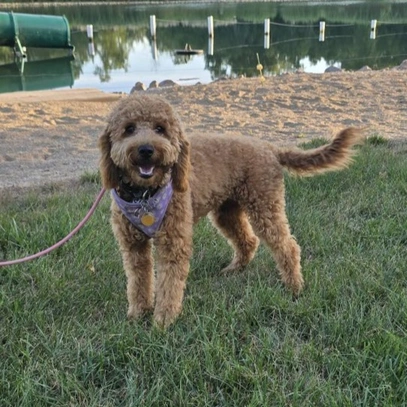
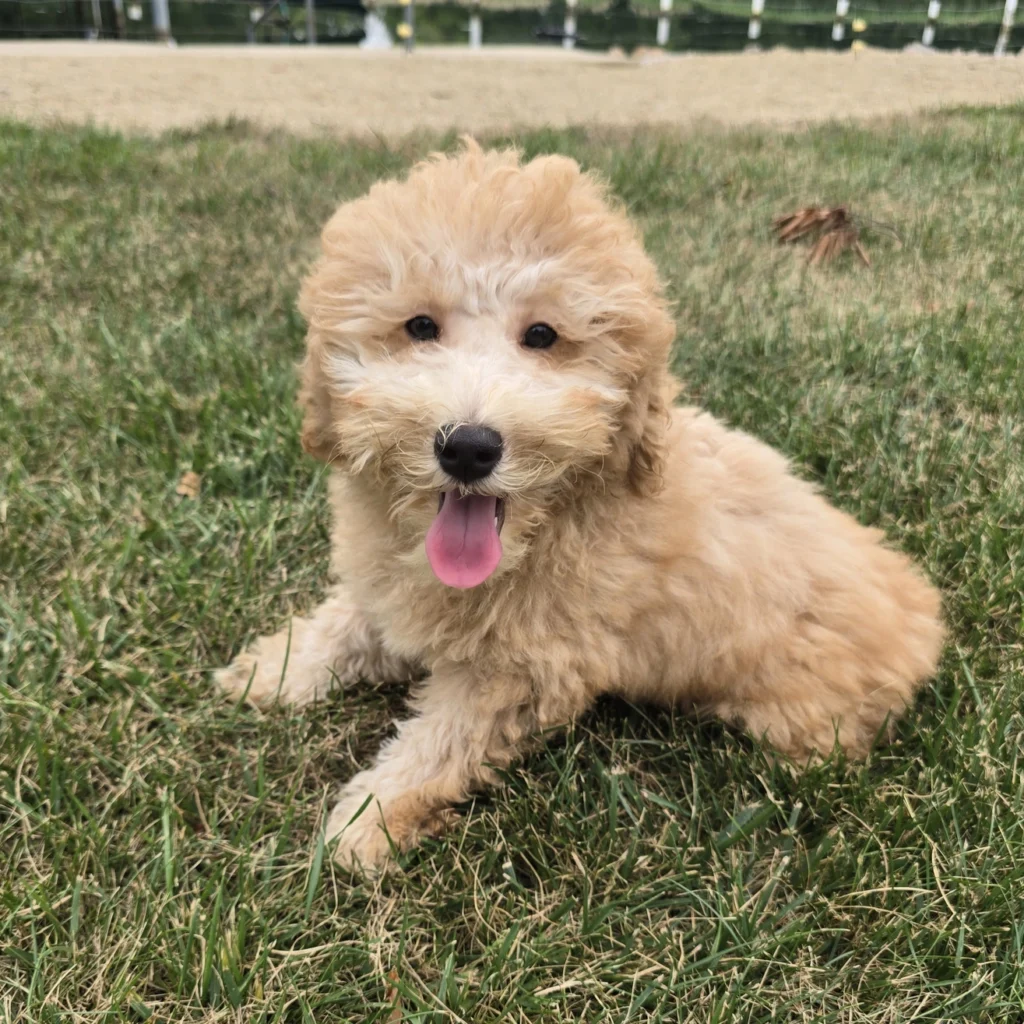

Mini Goldendoodles for Sale in Boston
Love of Puppies has been breeding Mini Goldendoodles from Arcola, Illinois for over 9 years. Each puppy is observed through the first eight weeks and assessed individually. No placement happens without a real conversation about your household, your schedule, and what dog ownership in your specific situation actually involves — not what you hope it will look like.
Every puppy comes with:
- A health guarantee covering hereditary and genetic conditions.
- Individual temperament profiling to place each puppy in the right home.
Boston families we work with range from grad students in Somerville with small apartments to families with yards in Newton or Needham. The breed works across both situations — the placement conversation is what determines which specific puppy goes where.

Boston Mini Goldendoodle Breeder Reviews
Check Out Our TikTok & Follow for the Latest Puppy Updates from the Farm! 🐾

Delivery Options for Boston Families
For Boston families, delivery options include a meeting point along the route or airport pickup near you. We stay in contact throughout and are available when your puppy arrives — first-day questions are common and we expect them. Every situation is a little different, so the conversation comes first.
Other locations:
Boston's Four Seasons and What Each Means for This Breed
No other city on this list swings as hard between extremes. Boston winters are serious — January averages around 29°F, with wind chill regularly pushing the felt temperature below 10°F, and snowfall averaging 48 inches per year. Boston summers are genuinely hot — July averages 82°F with humidity that makes it feel closer to 90°F on peak days. Spring and fall are mild but short.
Mini Goldendoodles in Boston need seasonal management, not just a general care routine.
Winter: their coat provides enough insulation for regular 30–40 minute walks down to about 20°F. Below that, outdoor sessions should stay under 20 minutes unless your dog is wearing an insulated coat. Below 10°F, limit outside time to bathroom breaks. Boston’s road salt irritates paw pads and is toxic if swallowed — which happens when dogs lick their feet after walks. Booties are the clean solution; a thorough paw wipe with a damp cloth after every winter walk is the minimum.
Spring: snowmelt brings mud season, which means damp coats and dirty paws from March through April. The drying and brushing routine from winter carries into spring. Tick season starts earlier than most Boston owners expect — late March in warmer years — so preventative treatment should be in place before the first warm weekend.
Summer: the same heat management principles that apply in warmer cities apply here for July and August. Morning and evening walks, pavement temperature checks, shade and water access. Boston’s humidity amplifies the heat on peak days more than the thermometer suggests.
Fall: the genuinely easy season. Temperatures in the 50s–60s°F, low humidity, and dry conditions make October the best month for outdoor activity in Boston.
Living with a Mini Goldendoodle in Boston
Boston is a walkable, dense city with a strong dog culture — off-leash areas, dog-friendly patios, and well-maintained parks distributed across most neighborhoods. The Esplanade along the Charles River, Peters Park in the South End, Amory Playground in Jamaica Plain, and the off-leash areas in the Fens are all well-used year-round.
Boston’s housing stock works well for Mini Goldendoodles in Boston — triple-deckers in Somerville, brownstones in the South End, condos in the Seaport, apartments in Allston. Their 15–35 pound size stays within most building weight limits, and their temperament handles the density of Boston street life — narrow sidewalks, T stops, construction noise, and the general chaos of a college city — without much difficulty.
Yards are uncommon in Boston proper. Most owners work around this with daily park visits, which is workable provided the commitment is real. A dog that misses regular outdoor time through winter tends to develop behavioral problems indoors by February.
Grooming across Boston’s seasons
Boston’s seasonal swings affect grooming differently depending on the time of year, which makes a single fixed routine less useful than understanding what each season actually demands.
Core maintenance:
- Coat brushing. 3–4 times per week year-round. Winter static makes brushing harder — a light coat conditioner spray reduces the static buildup. Spring mud season often requires daily brushing to prevent matting from repeated damp coats.
- Paw care. More important in Boston than most cities. Winter road salt requires a paw wipe or rinse after every outdoor walk from November through March. Check between the toes for salt buildup and ice ball formation during snowfall.
- Professional grooming. Every 6–8 weeks. Boston owners typically keep fuller coats through winter for warmth and move to shorter trims in late spring before summer heat arrives.
- Nail trimming. Monthly. Winter boots and indoor living reduce natural nail wear significantly.
- Ear cleaning. Weekly inspection year-round. Snow and rain exposure both count as water exposure for ear cleaning purposes.
- Dental care. Daily brushing. No seasonal variation — just the most consistently skipped item on the list.
F1 puppies (50/50 Golden Retriever and Poodle) have looser waves that provide good insulation in winter without retaining as much moisture in spring wet conditions. F1B puppies (75% Poodle) shed less and manage allergy concerns better, but their tighter curls collect snow and ice more readily during winter walks and need more frequent brushing during mud season.
Choosing the right puppy for your Boston lifestyle
When selecting your puppy, consider:
- Generation. F1 coats handle Boston winters with less maintenance — they shed snow more easily and dry faster in spring. F1B is the better choice for allergy-sensitive households, but the grooming commitment increases during the wetter months.
- Energy level. Boston’s winters genuinely limit outdoor time on the coldest days. A very high-energy puppy placed with a family that can’t sustain exercise through February and March is a mismatch. We assess each puppy’s actual drive and discuss realistic winter routines before placement.
- Size. Adult weight varies 5–10 pounds within a litter. Worth knowing if your building has a weight limit, which is common in Boston’s older housing stock.
- Coat thickness. Thicker coats provide more winter insulation but require more maintenance during the seasonal transitions. We can identify which puppies in a litter carry denser coats for owners who prioritize winter warmth over grooming simplicity.
Tell us about your neighborhood, your building situation, and what your winter routine actually looks like — not what you hope it will be. That conversation produces better placements than photos do.
Frequently Asked Questions
How cold is too cold for a Mini Goldendoodle in a Boston winter?
Their coat provides enough insulation for regular walks down to about 20°F. Between 10–20°F, keep outdoor sessions under 20 minutes and consider an insulated dog coat. Below 10°F, outside time should be bathroom breaks only. Wind chill matters as much as the thermometer — a 25°F day with strong wind feels significantly colder for a dog at ground level than the forecast suggests.
What do I do about road salt in winter?
Wipe or rinse paws after every winter walk. Salt irritates paw pads with repeated exposure and is toxic if swallowed when dogs lick their feet. Dog booties eliminate the problem entirely and are common enough in Boston winters that most dogs in the city wear them. If your dog won’t tolerate booties, a damp cloth wipe after each walk is the minimum.
Is F1 or F1B better for Boston's climate?
F1 is more practical for Boston’s seasonal transitions — the looser coat sheds snow more easily, dries faster in spring, and requires less maintenance during mud season. F1B is the better choice if allergy management is the priority, but expect more grooming work from November through April when conditions are consistently wet or cold.