
Mini Goldendoodles in Seattle
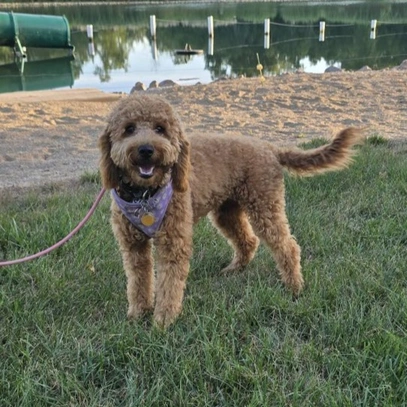
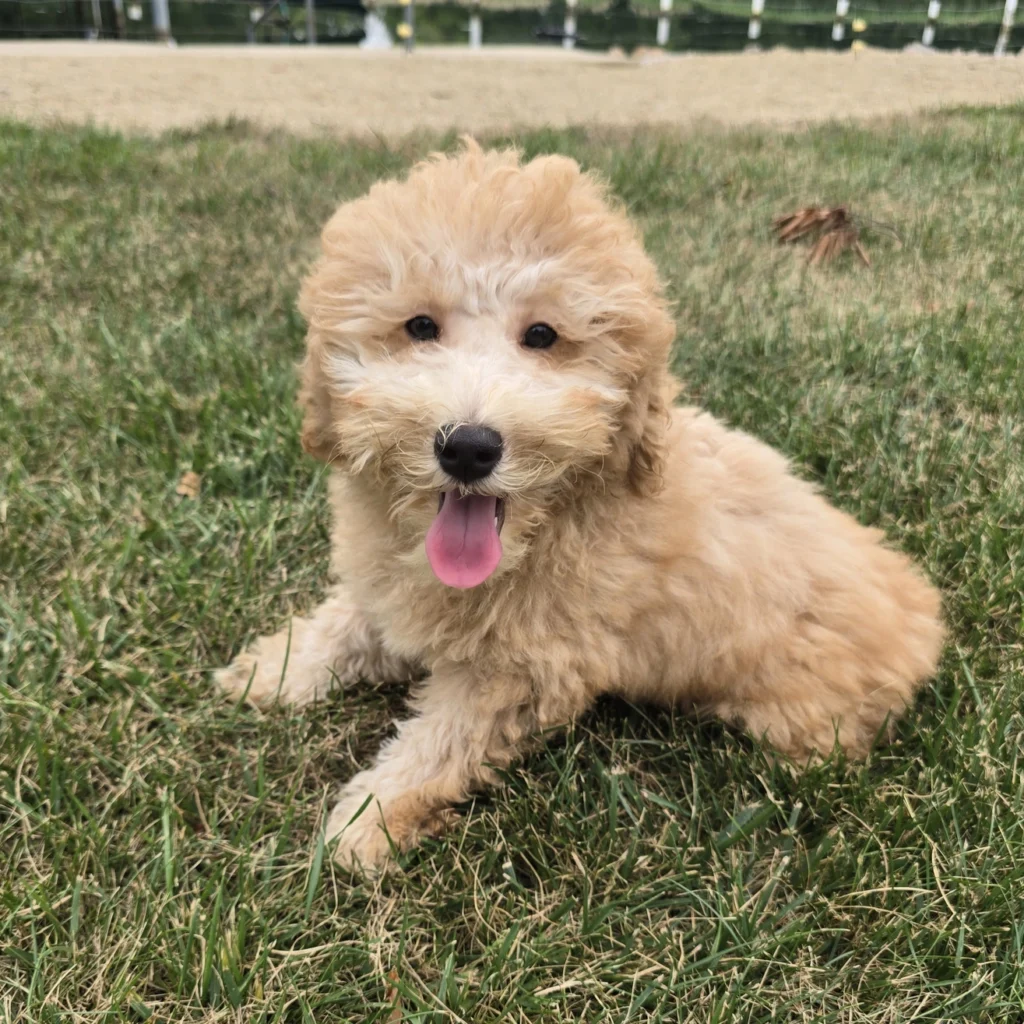
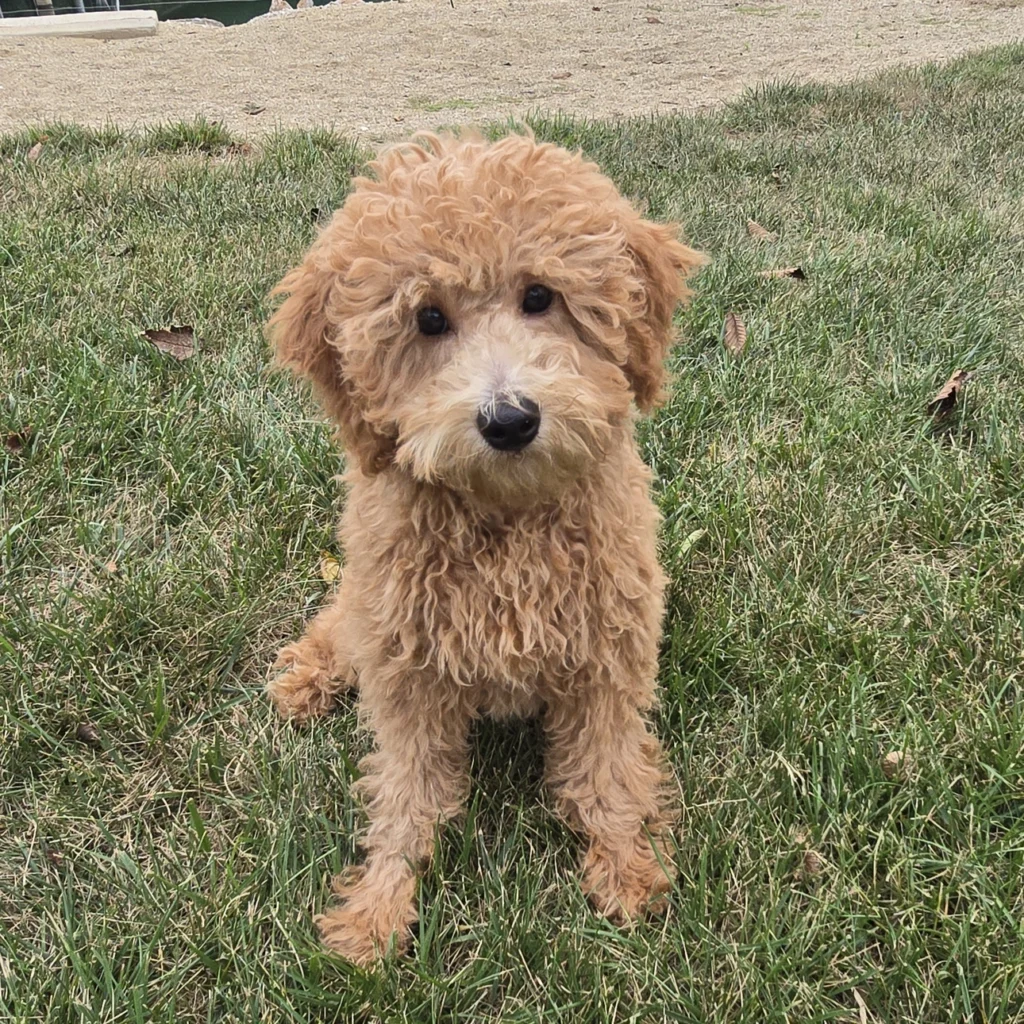
Mini Goldendoodles for Sale in Seattle
Love of Puppies breeds Mini Goldendoodles from Arcola, Illinois, and has been doing it for over 9 years. Every puppy is observed individually through the first eight weeks. Temperament is assessed on its own terms. No placement happens without a real conversation about your household. Seattle owners tend to have strong opinions about what they want in a dog — we find that conversation useful.
What every puppy comes with: a health guarantee covering hereditary and genetic conditions, and individual temperament profiling that informs every placement we make.
Pacific Northwest families we work with range from tech workers in Capitol Hill studios to families with kids in Bellevue or Kirkland. The breed suits both situations — what we’re matching is temperament to household, not puppy to whoever asks first.
Seattle Mini Goldendoodle Breeder Reviews
Check Out Our TikTok & Follow for the Latest Puppy Updates from the Farm! 🐾

Delivery Options for Seattle Families
Delivery for Pacific Northwest families is worked out case by case. Some families meet us partway; others prefer airport pickup. Either way, we stay involved throughout the process — not just until the puppy leaves Illinois, but through arrival and the first days in your home. Reach out and we’ll work out what makes sense for your location and schedule.
Other locations:
Seattle Climate and What It Means for This Breed
Seattle’s climate is mild but persistently wet. Temperatures rarely drop below freezing in the city proper — winters stay in the 35–45°F range most years — and summers top out around 75–80°F. What Seattle actually delivers is grey skies and drizzle from October through May, with the occasional stretch of genuine rain.
For Mini Goldendoodles in Seattle, the cold itself isn’t the main concern. Their coat provides enough insulation for Pacific Northwest winters without protective clothing on most days. The issue is moisture accumulation — a wavy or curly coat that gets wet repeatedly without thorough drying becomes a mat problem fast, and damp coat held against skin for extended periods leads to irritation and fungal issues.
The drying routine matters as much as the brushing routine here. After every wet walk — and in Seattle, that’s most of them from fall through spring — towel dry thoroughly, paying attention to the underbelly, paws, and ears. A dog dryer or low-heat blow dryer speeds up the process and reduces the time coat stays damp against skin. Owners who skip this step consistently tend to find skin problems developing within a few months.
Summers in Seattle are genuinely pleasant for dogs. July and August bring dry, mild weather that makes outdoor activity easy without heat management concerns. Those two months make outdoor routines significantly easier.
Living with a Mini Goldendoodle in Seattle
Seattle is one of the more dog-friendly cities in the country — off-leash areas, dog-welcoming coffee shops, trails, and waterfront paths are distributed across the city and immediate surroundings. Capitol Hill, Fremont, Queen Anne, Ballard, and West Seattle all have dense dog populations and good access to parks and green space.
For Mini Goldendoodles in Seattle, the city’s layout works in their favor. Their size — 15–35 pounds — suits the apartments and smaller homes common across Seattle’s hillside neighborhoods. They’re comfortable on public transit, manage stairs well, and don’t require a yard provided daily walks happen consistently.
The outdoor options here are unusually good. Discovery Park has miles of trails and beach access. Magnuson Park has one of the largest off-leash areas in the city. Green Lake is a year-round loop that most Seattle dog owners know by heart. Burke-Gilman Trail connects neighborhoods along the water for longer runs and bike rides with a dog on leash. The wet weather doesn’t stop most Seattle dog owners — the gear culture here extends to dogs, and waterproof dog coats are common from November through April.
Grooming in Seattle’s Wet Climate
The grooming calculus in Seattle is different from drier cities. The problem isn’t heat — it’s moisture. A coat that doesn’t dry completely after repeated wet walks starts matting from the inside out, which means the surface can look fine while the underlayer is already matting close to the skin.
Core maintenance:
- Coat brushing. 3–4 times per week as a baseline, with extra sessions during the rainiest months. Brush before bathing or wetting the coat — brushing a wet mat pulls and breaks the hair rather than loosening it.
- Drying after walks. Towel dry thoroughly after every wet outing. Focus on underbelly, between the toes, and ear flaps. A low-heat blow dryer reduces drying time significantly and prevents the prolonged dampness that leads to skin issues.
- Professional grooming. Every 6–8 weeks. Seattle owners often request slightly longer trims than Miami owners — the coat provides warmth during cool, wet months — but the grooming interval stays the same.
- Nail trimming. Monthly. Seattle’s wet sidewalks don’t wear nails down the way dry pavement does, so monthly trimming becomes more important.
- Ear cleaning. Weekly inspection, with cleaning after any water exposure. Rain counts. This breed’s ear structure traps moisture reliably, and Seattle’s climate makes ear infections a real ongoing risk without consistent maintenance.
- Dental care. Daily brushing. Unrelated to climate, but the most commonly skipped item on this list.
F1 puppies (50/50 Golden Retriever and Poodle) have looser waves that dry faster and mat more slowly — a practical advantage in a wet climate. F1B puppies (75% Poodle) have tighter curls that hold moisture longer and require 4–5 brushing sessions per week rather than 3–4. For owners new to grooming, F1 is the more manageable starting point in Seattle conditions.
Choosing the right puppy for your Seattle lifestyle
When selecting your puppy, consider:
- Generation. In Seattle’s climate, this choice has practical weight. F1 coats dry faster and tolerate skipped brushing sessions better than F1B. If your schedule makes daily drying routines difficult, F1 is the lower-maintenance option.
- Energy level. Seattle has the outdoor infrastructure to support a high-energy dog year-round, but wet winters change the equation. A very active puppy placed with a family that cuts walks short in bad weather is a mismatch. We assess each puppy’s actual drive, not just breed averages.
- Size. Adult weight varies 5–10 pounds within a litter depending on parent size. Worth knowing if your building or rental has a weight restriction.
- Coat type. Looser waves ventilate and dry more efficiently than tight curls. In a city where your dog comes home wet most mornings for seven months straight, coat structure affects daily workload in a concrete way.
Tell us about your living situation, how much outdoor time you realistically have in bad weather, and whether anyone in your household has allergy concerns. That conversation leads to better placements than photos do.
Frequently Asked Questions
Can Mini Goldendoodles handle the heat in Los Angeles summers?
On days above 85°F, walk during cooler morning or evening hours and check the pavement temperature before going out. Keep shade and water available outdoors. Inland valley areas require more caution than the coast because of higher temperatures and lower humidity.
Are they a good fit for LA apartments with weight restrictions?
Mini Goldendoodles reach 15–35 pounds at maturity, which falls within most pet weight limits in LA apartment buildings. We can discuss projected adult size before you commit so you know whether a specific puppy fits your building’s policy.
How do they do in busy, urban environments?
Well. Their sociable temperament handles foot traffic, other dogs, outdoor dining, and the general noise of city living without much trouble. Early socialization during their first weeks with us prepares them for this kind of environment.
Which generation is better for allergy sufferers?
F1B is the better option for allergy-sensitive families — the higher Poodle genetics reduce shedding and dander. No dog is fully hypoallergenic, so spending time with a puppy before deciding is the most reliable way to gauge your individual reaction.