
Mini Goldendoodles in Virginia
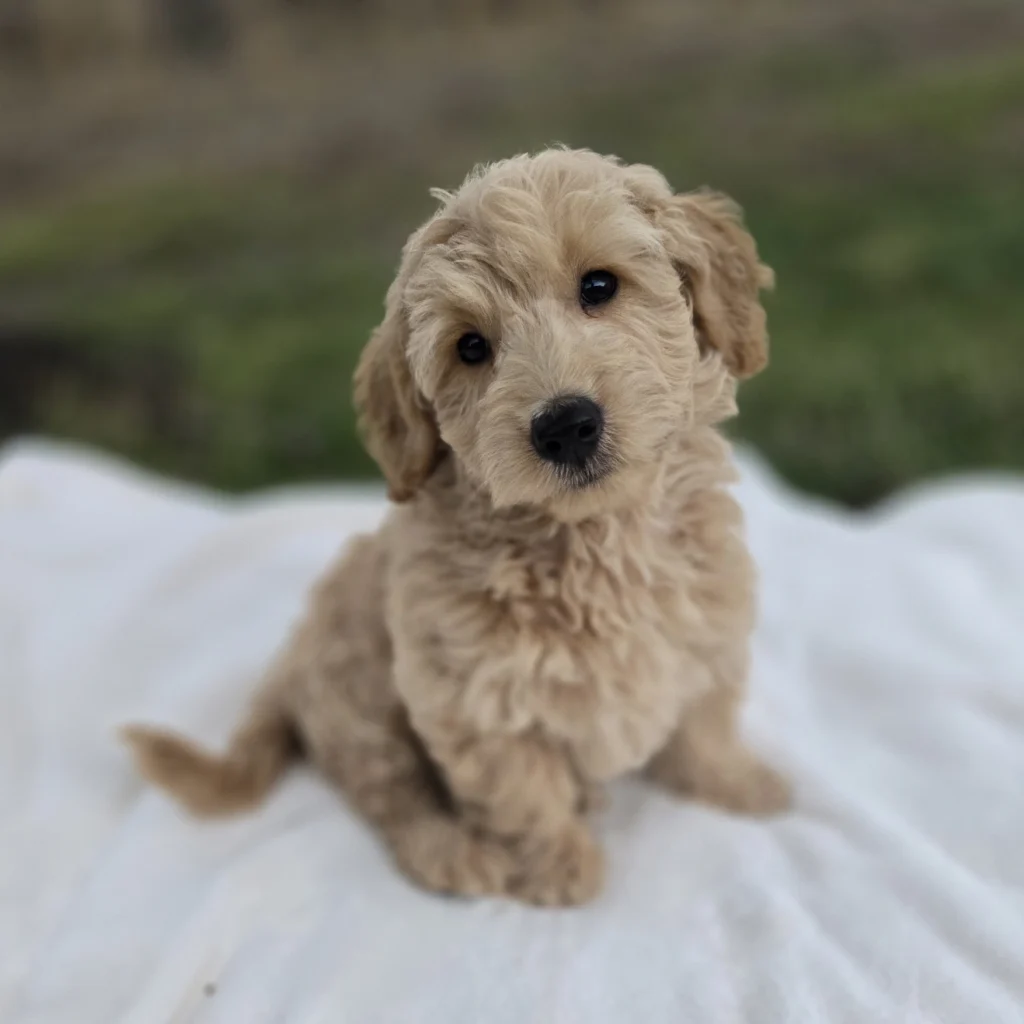
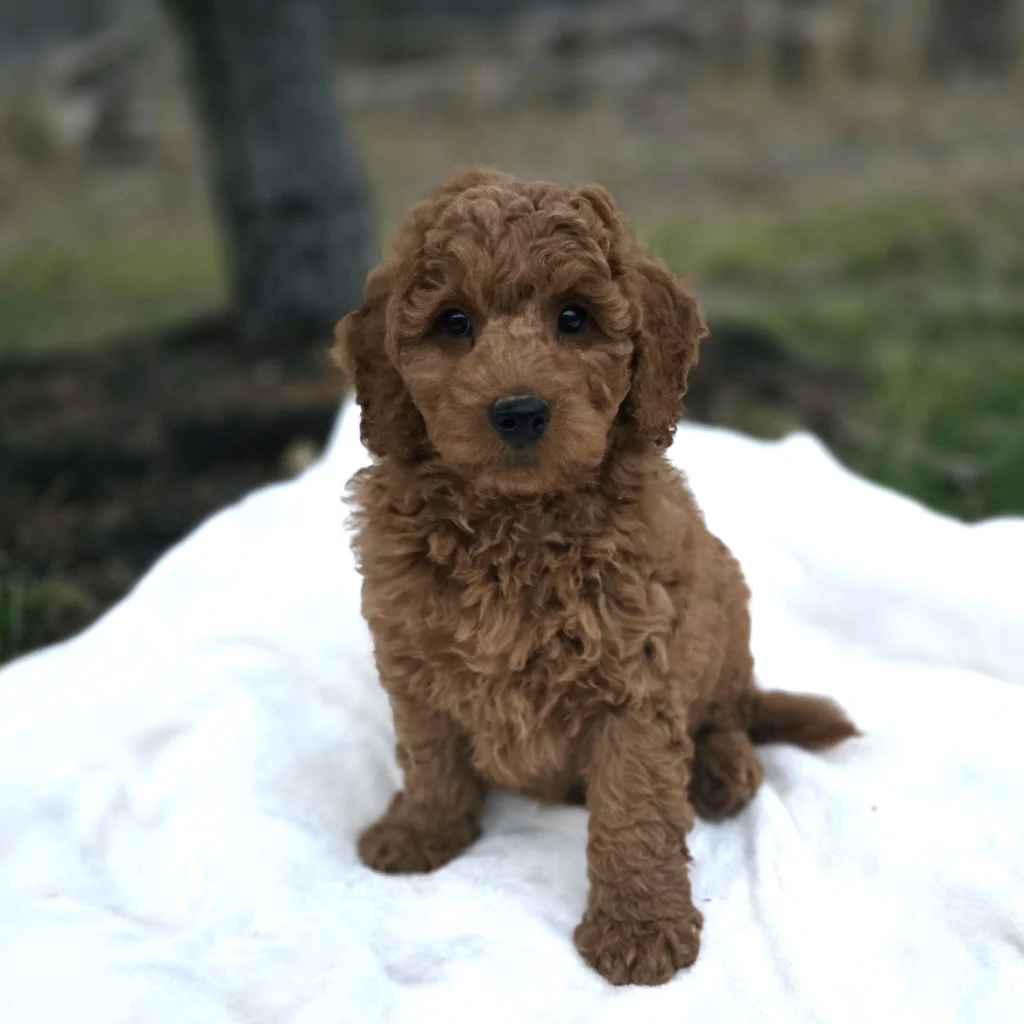
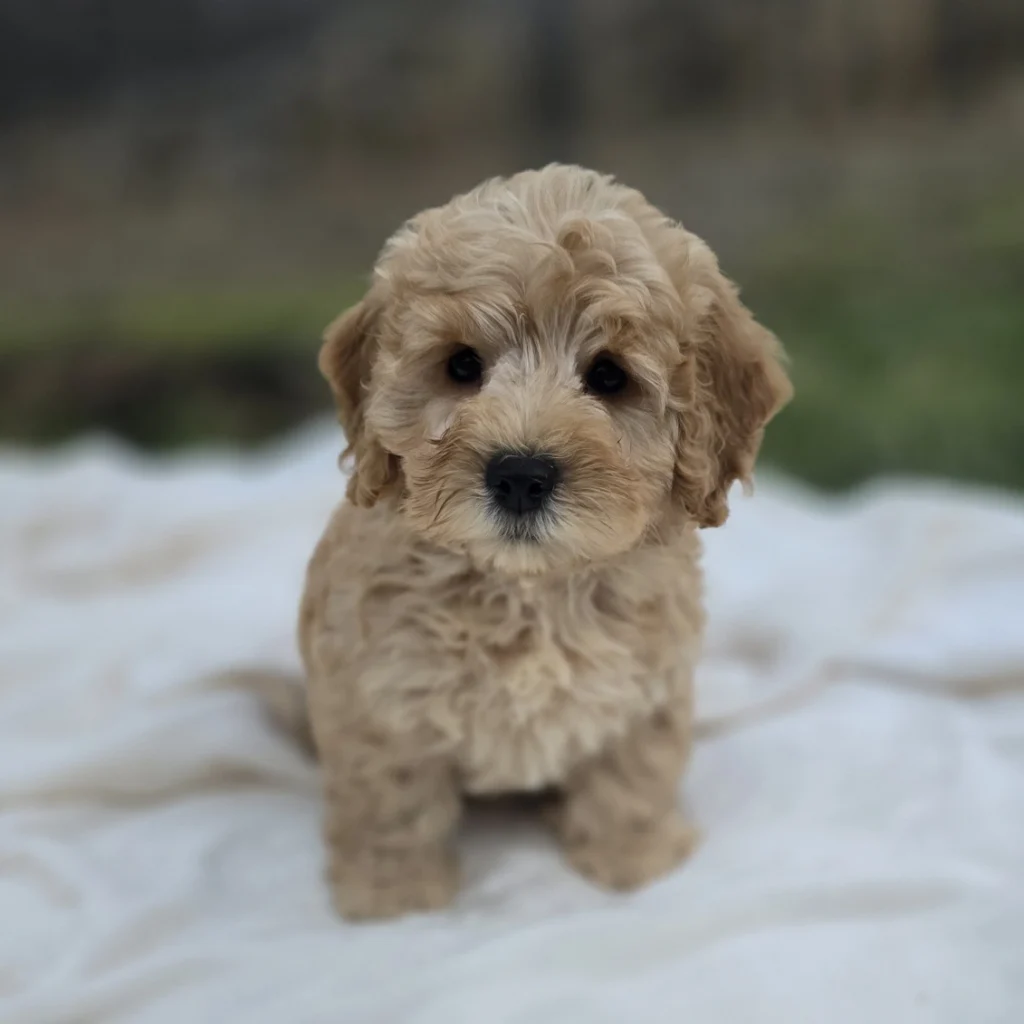
Mini Goldendoodles for Sale in Virginia
Virginia’s geographic diversity, stretching from the Chesapeake Bay coastline to the Blue Ridge Mountains and the Northern Virginia suburbs, creates a wide range of living environments, and Mini Goldendoodles adapt to all of them. Families across Richmond, Virginia Beach, Roanoke, and the Northern Virginia corridor are drawn to this crossbreed for its intelligence, low-shedding coat, and steady temperament. If you’re searching for a Mini Goldendoodle in Virginia, this guide covers what Virginia families specifically need to know.
VirginiaMini Goldendoodle Breeder Reviews
Check Out Our TikTok & Follow for the Latest Puppy Updates from the Farm! 🐾

Delivery Options for Virginia Families
Love of Puppies is based in Arcola, Illinois, and works directly with Virginia families to arrange safe puppy transport — we don’t hand off to third-party carriers at any stage. Virginia’s length from the southwest mountains to the coast creates different logistics for different families, and we plan each delivery around your specific location and schedule. Get in touch to talk through what works best for you.
Distance from Illinois is manageable. We’ll put together a plan that works for your part of Virginia.
Other locations:
Is This Breed Right for Virginia?
Virginia’s five climate regions create genuinely different living conditions. A Tidewater family in Virginia Beach and a household in Roanoke or Leesburg face different seasons, different humidity levels, and different outdoor routines. Mini Goldendoodles handle all of them. At 15 to 35 pounds fully grown, they fit Northern Virginia townhomes, Shenandoah Valley farms, and Richmond suburbs equally well.
What Makes them Well-Matched to Virginia Households
Low-shedding coats reduce indoor allergen load — relevant in Virginia’s long, humid summers when windows stay closed and air conditioning runs continuously.
- Temperament spans a wide range: engaged enough for Northern Virginia’s active families, calm enough for quieter rural settings in the Piedmont or Shenandoah.
- Trains readily — a meaningful advantage for first-time dog owners navigating Virginia’s mix of urban parks, suburban neighborhoods, and rural roads.
- Tolerant and patient with children and other animals across changing seasonal conditions.
Virginia’s spring and fall are genuinely excellent seasons for this breed. Mild temperatures, lower humidity, and long daylight hours make outdoor routines easy to maintain. Plan your peak-season care adjustments for the summer months specifically.
Daily Requirements in Practice
- Exercise. 30–60 minutes of outdoor activity. Virginia’s state park network, the Appalachian Trail access points, and the Colonial Parkway system give owners a wide range of options year-round.
- Coat care. 3–5 brushing sessions per week minimum, adjusted upward during Virginia’s summer humidity peaks.
- Cognitive activity. Obedience training, scent work, or structured play — the Poodle heritage makes mental stimulation as important as physical exercise.
Virginia’s moderate climate means fewer extreme weather disruptions than states further north or south. For most of the year, outdoor routines run without significant adjustment.
Planning Around Virginia’s Five Climate Regions
Virginia’s geography stretches from the Atlantic coast to the Appalachian plateau. A Mini Goldendoodle growing up in Virginia Beach and one growing up near Roanoke will have genuinely different daily lives: different seasonal rhythms, different coat demands, different thresholds for what counts as a safe day outside. The Bermuda High drives the state’s summers, a semi-permanent pressure system that pulls warm, moist Atlantic air across the state from June through August, making humidity the dominant challenge for most Virginia owners.
Tidewater and Сoastal Virginia: Summer is Demanding, Winter is Easy
Virginia Beach, Norfolk, Hampton Roads, and the Eastern Shore get the state’s worst combination: high July temperatures in the mid-to-upper 80s°F pressed flat by Atlantic and Chesapeake humidity. In this heat, a Mini Goldendoodle can go from comfortable to visibly stressed within a single walk. Their panting is the primary way dogs regulate body temperature, and it becomes less effective when the air is already saturated.
- Move all exercise to before 8 AM or after 7 PM from June through August. Midday outings in coastal summer are not safe for this breed, even on overcast days.
- After outdoor time in high humidity, check your dog’s breathing and gum color before assuming they’re fine. Bright red gums and labored panting after a short walk are warning signs, not just tiredness.
- Hurricane season runs June through November. During active tropical systems, keep your dog in an interior room, away from windows. After storms pass, wait for debris and standing water to clear — both create real hazards for dogs on foot.
- Tidewater winters are genuinely mild — January averages around 40°F with minimal snow. Your puppy can maintain normal outdoor routines through most of the cold season without any additional gear.
Winter Conditions: Snow, Ice, and Paw Care
Northern Virginia’s winters are the harshest in the state outside the western mountains. Nor’easters moving up the Atlantic coast can drop a foot of snow overnight, and road salt application in Fairfax, Arlington, and Alexandria is aggressive and sustained. Repeated salt exposure is one of the most common sources of paw damage in urban dogs, causing cracking, chemical irritation, and soreness that builds invisibly until it becomes a vet visit.
- Above 35°F: your Mini Goldendoodle is comfortable and can exercise freely. No extra gear needed.
- 20°F to 35°F: a dog coat keeps the session comfortable. Keep walks under 20 minutes — paws lose warmth before the body does.
- Below 20°F: outside only for bathroom trips, and keep them short. The dog’s coat isn’t built for extended exposure at this temperature.
After every winter walk: wipe or rinse paws before your dog has a chance to lick them. Salt ingestion irritates the digestive tract, and repeated licking of cracked paws slows healing.
Blue Ridge and Mountain Virginia: The Most Forgiving Conditions
Western Virginia, including the Blue Ridge, Allegheny highlands, and Appalachian southwest, runs about 10°F cooler than the coast across all seasons. Summer heat becomes genuinely comfortable at elevation, and lower humidity means your Mini Goldendoodle’s coat dries faster, tangles less frequently, and needs less intervention between grooming appointments. Afternoon thunderstorms are common in summer but pass quickly. Winter brings the state’s heaviest snowfall, averaging 16 to 23 inches annually in the southwest mountains, and your dog will likely want to be out in it. Let them enjoy it, and check paws after extended snow play.
Coat Maintenance Across Virginia’s Regions
Grooming demands in Virginia are directly tied to your climate zone. Tidewater and Piedmont owners face the most challenging conditions: summer humidity that accelerates tangling, followed by drier fall and winter air that creates static. Mountain Virginia owners have a more manageable summer but must watch for coat dryness in winter.
Region-adjusted grooming schedule:
- Brushing. F1 dogs: 3–4 times weekly in cooler months; add sessions during summer humidity peaks. F1B dogs: 4–5 times weekly year-round, daily during coastal summers.
- Professional appointments. Every 6–8 weeks without exception. In Virginia’s humid summer, missing a trim appointment creates matting problems that require shaving to correct.
- Ear maintenance. Weekly cleaning, particularly critical for Tidewater and low-elevation Piedmont owners. Check after swimming, bathing, or extended outdoor time in the rain.
- Nail care. Monthly. Dogs that walk regularly on pavement or hard surfaces wear nails down faster than those on soft ground.
- Dental care. Daily brushing prevents tartar buildup that progresses to gum disease and systemic health problems.
Virginia’s fall and winter shift brings drier indoor air — especially in inland regions and mountain areas. Maintain brushing frequency through the dry season to prevent static buildup and coat brittleness that comes with heating systems running indoors.
Frequently Asked Questions
Does Northern Virginia’s winter require special equipment?
A quality dog coat and paw protection are practical investments for Northern Virginia winters. Nor’easters arrive fast and drop significant snow. Road salt is applied aggressively. Without paw protection, salt exposure over repeated walks causes cracking, soreness, and potential chemical burns. After walks, rinse paws or use a damp towel — even when you don’t see visible residue.
F1 or F1B — what’s the practical difference for Virginia owners?
F1 dogs (50% Poodle) shed slightly more and have looser waves — easier to brush but less allergy-friendly. F1B dogs (75% Poodle) have tighter curls, shed minimally, and produce less dander — better for allergy sufferers but more demanding to groom in Virginia’s humid summers. Neither generation is hypoallergenic. Visiting and spending time with a litter is the only reliable way to gauge your personal reaction.
What’s the expected adult size?
15 to 35 pounds at full growth, standing 13 to 20 inches at the shoulder. Both parent dogs should be visible when you visit — their sizes together give the most reliable prediction for where your puppy will land within that range.